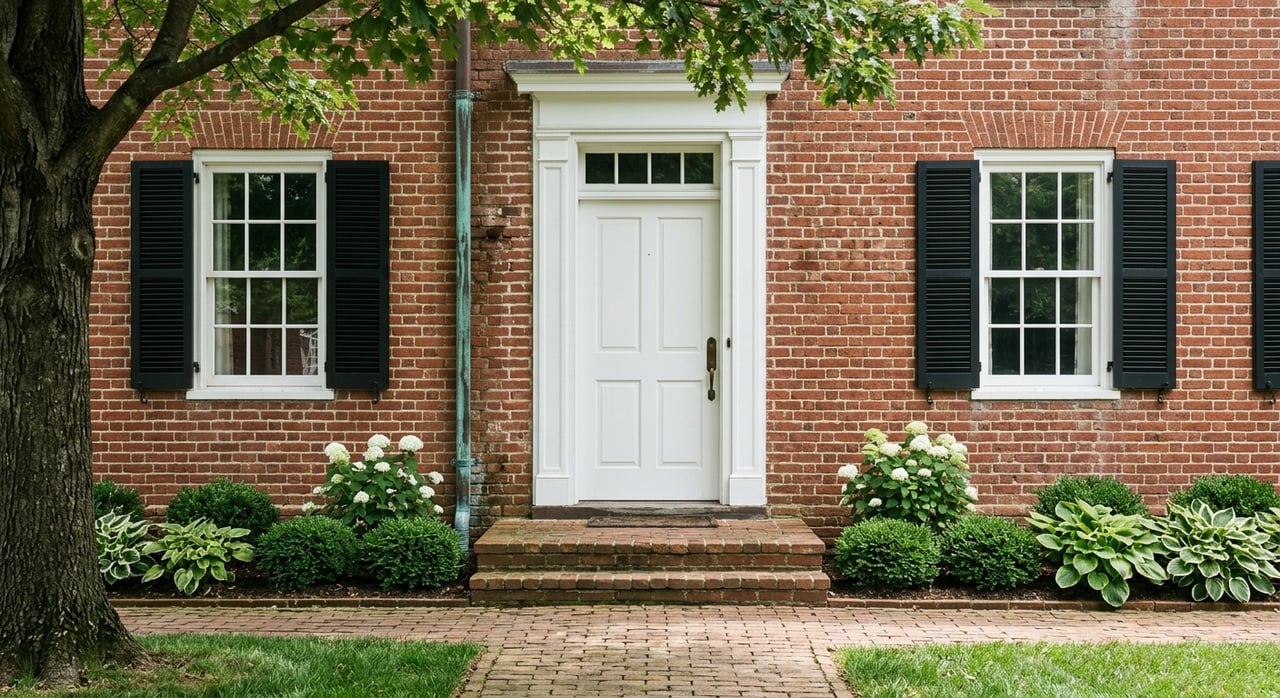
If you love character, charm, and homes that feel like they have a story to tell, College Hill is easy to notice. But buying a historic home here also means looking beyond curb appeal and asking smart questions about condition, upkeep, and what you can change later. This guide will help you understand what makes College Hill homes special, what to inspect closely, and how to plan for renovation, financing, and long-term ownership. Let’s dive in.
Why College Hill Stands Out
College Hill is a compact Wichita neighborhood of about one square mile, located roughly 2.5 miles from downtown. According to the City of Wichita’s College Hill overview, the area developed as an exclusive residential neighborhood and later became home to many prominent Wichita families.
That history still shows up in the housing stock today. The neighborhood is known for distinctive architecture, mature streetscapes, and homes that often retain original exterior details. If you are buying here, you are not just buying square footage. You are often buying craftsmanship, design history, and a home with features that may require more thoughtful care.
Know the Common Home Styles
One of the first things to understand about buying in College Hill is architectural style. The city’s College Hill design guide says more than 80% of neighborhood structures reflect Craftsman, Tudor Revival, Colonial Revival, and Prairie styles.
That matters because style affects both value and renovation decisions. Original rooflines, porches, windows, masonry, stucco, trim, and proportions can all shape how a home is viewed and what updates make sense.
Craftsman homes
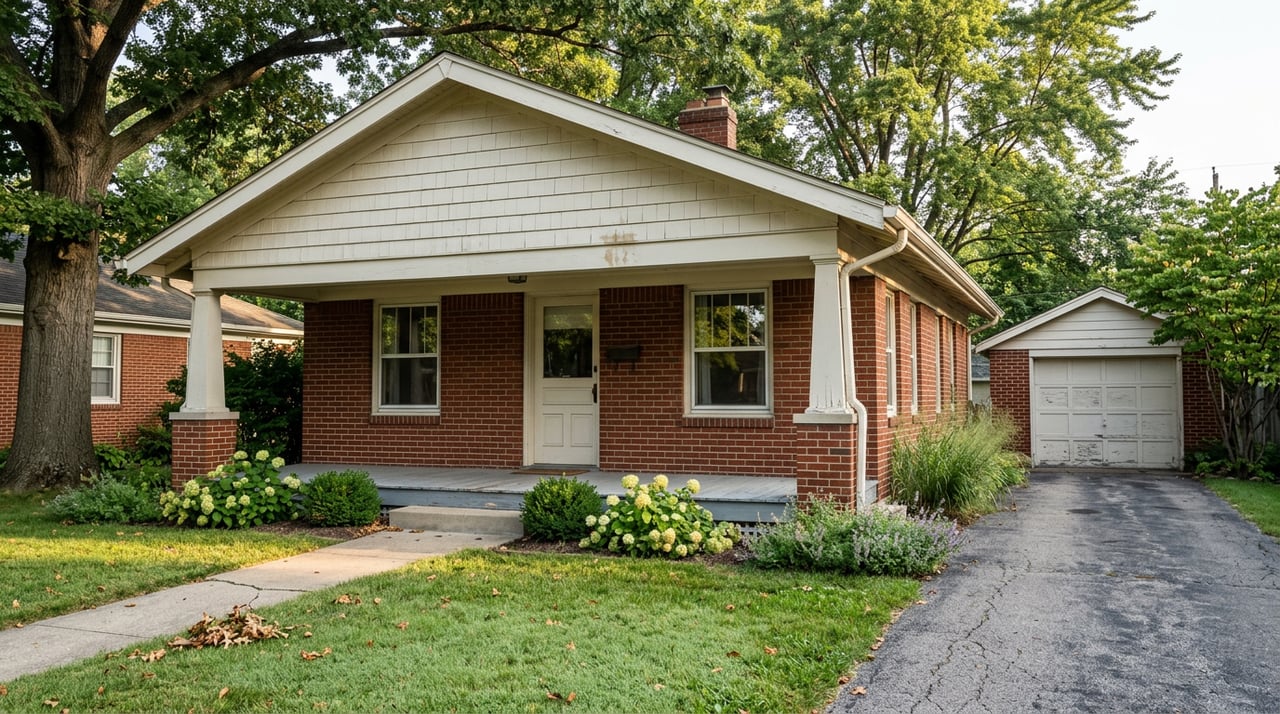
Craftsman homes often feature bungalow forms, deep overhanging eaves, gable brackets, and front porches supported by tapered posts on brick pedestals, based on guidance from the National Park Service. When you walk through one, pay attention to whether those signature details appear intact or have been replaced over time.
Colonial Revival homes
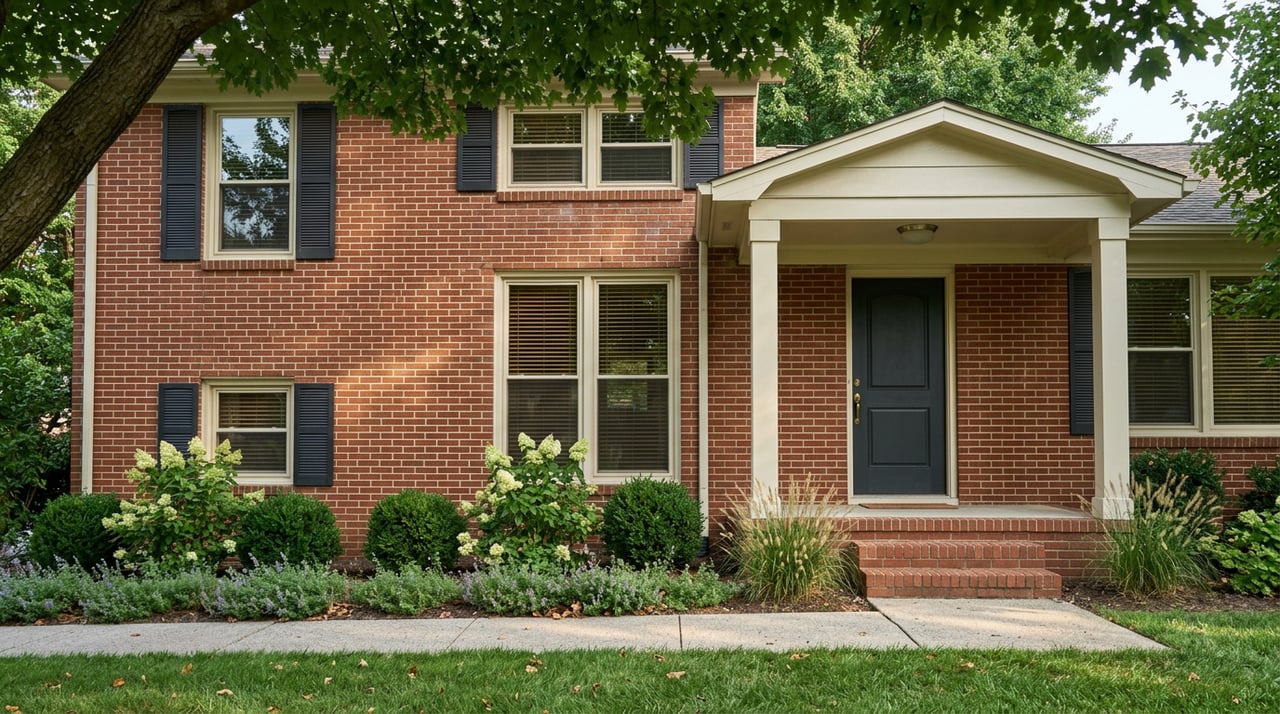
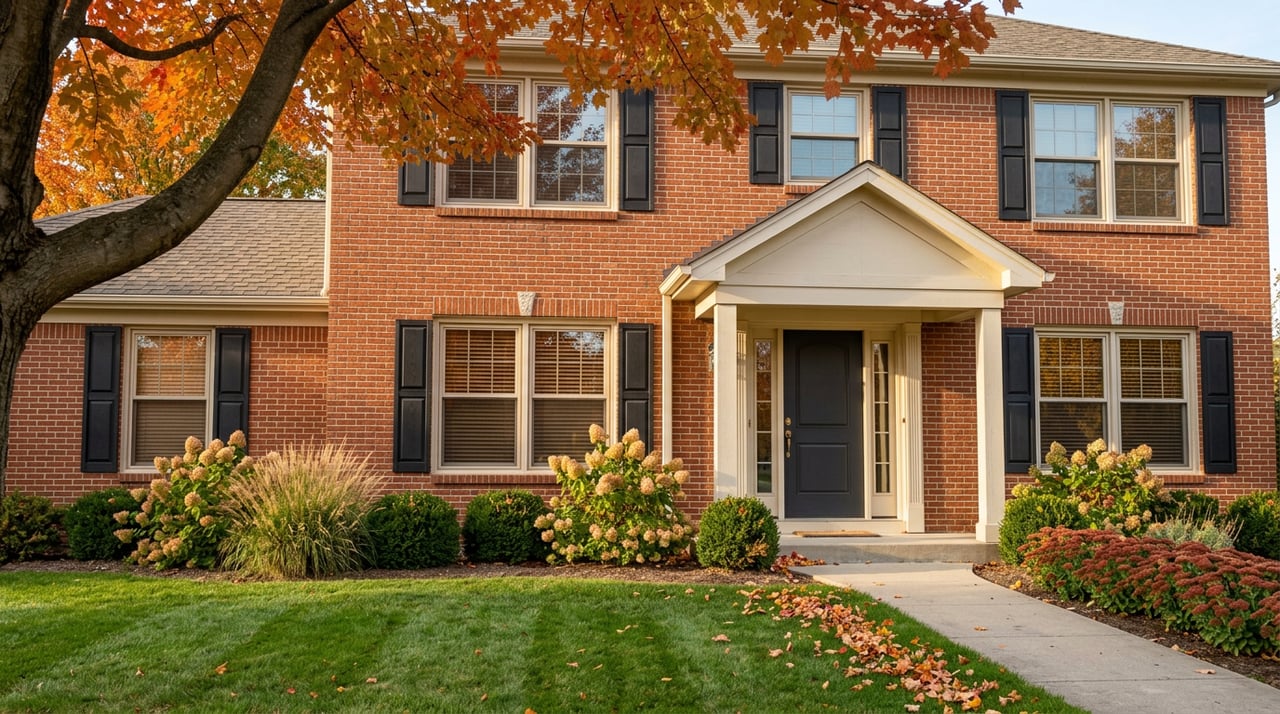
Colonial Revival homes usually look more formal and symmetrical. The National Park Service notes common features like columns, pediments, fanlights, sidelights, and balanced front elevations.
Prairie-style homes
Prairie-style homes emphasize horizontal lines and low-pitched roofs. According to the National Park Service, that strong horizontal look is one of the key clues buyers can use to spot the style.
Tudor and Mediterranean influences
College Hill also includes Tudor Revival, Spanish Colonial Revival, and Italian Renaissance Revival examples. Local and national references describe details such as stucco walls, arches, clay tile roofs, decorative ironwork, arcaded porches, decorative chimneys, limestone details, and masonry ornamentation, as shown in resources from the National Register and the College Hill Neighborhood Association.
For you as a buyer, the big takeaway is simple: the more original a home appears, the more carefully you should evaluate any planned updates.
Look Closely at Condition
Historic homes can be rewarding to own, but they often ask for more from you as a buyer. A standard home inspection is visual and non-invasive, and the American Society of Home Inspectors standard of practice makes clear that inspectors do not dismantle components, inspect inaccessible areas, determine code compliance, or evaluate environmental hazards.
In practical terms, that means your general inspection may only be the start. If concerns show up, you may want follow-up evaluations from specialists for roofing, structure, electrical, plumbing, or environmental issues.
Focus on the home’s envelope
With older homes, the exterior shell can tell you a lot. Pay close attention to:
- Roof condition
- Flashing and drainage details
- Windows and visible deterioration
- Masonry or stucco condition
- Signs of visible water intrusion
- Porch and deck areas
These are often the components where deferred maintenance becomes expensive.
Check major systems carefully
Older homes may also have aging electrical and plumbing systems, piecemeal repairs, or upgrades done at different times. Ask what has been updated, when it was done, and whether documentation exists.
This is especially important if the home looks cosmetically refreshed. Fresh paint can improve presentation, but it does not replace a close review of the systems behind the walls.
Budget for Ongoing Upkeep
Historic-home buyers should go in with realistic expectations about maintenance. U.S. Census Bureau data show that owners of pre-1950 homes spent a median of $1,800 annually on upkeep, while new owners of older homes spent a median of $3,900 per year, compared with $1,500 for longtime owners.
That gap makes sense. New owners often discover projects they want or need to tackle soon after moving in. Common projects in older homes include plumbing fixture replacement, flooring or drywall work, water heaters, window and door replacement, roof replacement, and porch or deck work.
If you are shopping in College Hill, it is smart to build a repair reserve into your budget from day one. The home may be worth it, but it helps to plan for charm and maintenance as a package deal.
Be Careful With Energy Updates
Many buyers want to improve comfort and efficiency after closing. That can be a good goal, but older homes need a whole-house approach.
The research in this report notes that air sealing and insulation should be handled as a system because changes can affect moisture movement and create condensation problems if the home is not evaluated carefully. In other words, energy upgrades are not always plug-and-play in a historic house. Before making changes, it is wise to understand how the home currently breathes and sheds moisture.
Ask About Lead and Asbestos
If you are buying an older home in College Hill, this should be part of your due diligence. The EPA says the older the home, the more likely it is to contain lead-based paint, and for pre-1978 homes, buyers should assume lead may be present unless testing shows otherwise.
EPA also requires lead disclosures for pre-1978 housing before a buyer becomes obligated under contract. If you plan to renovate, this matters even more, because disturbing painted surfaces can create risk if lead is present.
Asbestos can also appear in older materials such as pipe or furnace insulation, floor and ceiling tiles, and roofing products. The main concern increases when those materials are disturbed during remodeling. If a home needs work, ask whether any testing, mitigation, or prior records exist.
Understand Renovation Rules First
One of the biggest mistakes buyers make with historic homes is assuming any renovation will be straightforward. In College Hill, that may not be the case.
The City of Wichita’s College Hill page and the city’s College Hill overlay page indicate that design standards and overlay review can affect new construction, additions, and significant exterior renovations that affect the facade, while exterior repairs are not subject to design standards. Because city processes can change, you should verify the latest requirements before making plans.
Preserve character when updating
If you do renovate, the safest path is often to improve safety, comfort, and function while protecting the home’s visible character. The Secretary of the Interior’s Standards for Rehabilitation emphasize preserving historic materials and features whenever possible, and matching the old in design, color, texture, and materials when replacement is necessary.
That standard can be helpful even if you are not pursuing tax credits. It is a smart framework for deciding which changes fit the house and which ones may work against its character.
Explore Tax Credits and Financing
If a College Hill home needs substantial work, financing and incentive options may matter. The Kansas Historical Society says the state historic rehabilitation tax credit is available only for buildings listed on the National Register or the Register of Historic Kansas Places before application, and the work must be approved before physical work begins.
There are also spending thresholds and standards to meet, so eligibility is very specific. The federal historic rehabilitation credit is different and applies only to income-producing properties, not typical owner-occupied homes.
FHA 203(k) may help
If the home is appealing but not fully move-in ready, the HUD 203(k) program may be worth exploring. This program can combine purchase and rehabilitation into one loan, which can be helpful when repair needs are significant.
For some buyers, that creates more flexibility than trying to handle purchase and renovation costs separately.
Ask Insurance Questions Early
Insurance can be another surprise point with older homes. According to the National Association of Insurance Commissioners, older homes may cost more to insure because they may have outdated electrical or plumbing systems and because older materials can be harder to replace.
The same source notes that upgrades such as a newer roof or updated electrical, heating, or plumbing systems may lower premiums. If you are serious about a specific property, ask early how the insurer views roof age, fuse panels, plumbing type, and other legacy systems.
Questions to Ask Before You Buy
When you tour a historic home in College Hill, these questions can help you move from admiration to informed decision-making:
- What parts of the home are original?
- Which features were replaced during prior remodels?
- Were roof, electrical, plumbing, or structural repairs documented?
- Were any major repairs permitted?
- Is the property subject to overlay or design review for exterior changes?
- Are there lead or asbestos disclosures, testing results, or mitigation records?
- If major work is needed, would a historic tax credit or FHA 203(k) loan be worth considering?
A great historic-home purchase is not just about finding the prettiest house on the block. It is about understanding what you are buying, what it may need next, and how to preserve the details that make it special.
If you are considering a historic home in College Hill, working with a team that understands neighborhood context, property condition red flags, and the questions worth asking can make the process much smoother. When you are ready to talk through your goals, connect with Pam Hesse for a personalized consultation.
FAQs
What makes College Hill homes historic in Wichita?
- College Hill is one of Wichita’s established residential neighborhoods, and many homes reflect early architectural styles such as Craftsman, Tudor Revival, Colonial Revival, and Prairie, with original exterior details that contribute to their historic character.
What should you inspect first in a College Hill historic home?
- Start with the roof, flashing, windows, masonry or stucco, signs of water intrusion, and the age and condition of electrical and plumbing systems, then bring in specialists if the general inspection raises concerns.
What renovation rules can affect a College Hill home?
- Depending on the property and the project, Wichita’s College Hill overlay and design standards may affect additions, new construction, and significant exterior renovations that impact the facade, so you should verify the latest city requirements before planning work.
What health and safety issues matter in older College Hill houses?
- Lead-based paint and asbestos are important concerns in older homes, especially if you plan to remodel, because both may be present and can create risk when disturbed.
What financing options can help buy a College Hill fixer-upper?
- If a home needs major repairs, an FHA 203(k) loan may be worth exploring because it can combine the purchase and rehabilitation costs into one loan.
What should you ask about insurance on a historic Wichita home?
- Ask how the insurer views roof age, electrical systems, plumbing type, heating systems, and the cost of replacing older materials, since those factors can affect coverage and premiums.