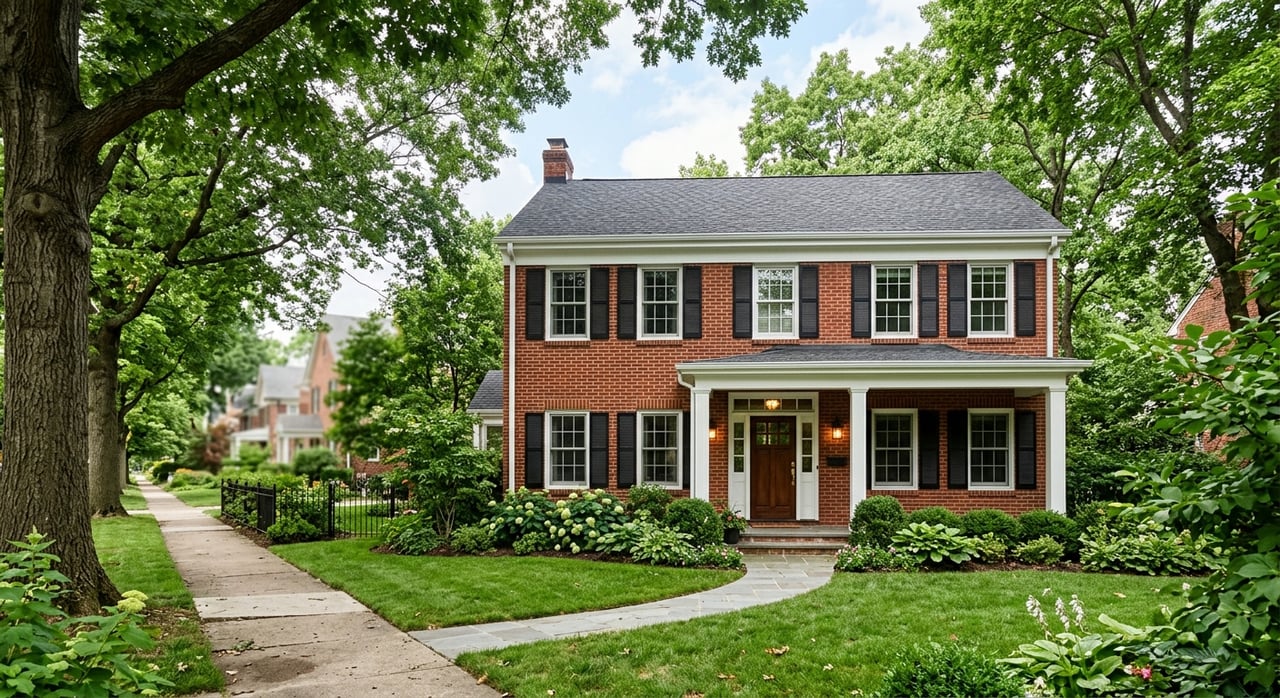
Looking for a neighborhood that gives you historic character without giving up everyday convenience? College Hill stands out for exactly that reason. If you want tree-lined streets, distinctive homes, local spots along Douglas, and quick access to downtown Wichita, this guide will help you see why so many buyers keep College Hill on their shortlist. Let’s dive in.
Why College Hill Stands Out
College Hill is an east Wichita neighborhood of about one square mile, bordered by Central, Kellogg, Hillside, and Oliver. It sits roughly 2.5 miles from downtown Wichita, which means you can enjoy a residential setting while staying close to the city’s museums, entertainment, and major destinations.
What gives College Hill its identity is the mix of historic charm, walkability, and established surroundings. Local sources describe the area as one of Wichita’s most charming and historic neighborhoods, and that reputation is tied to mature trees, classic architecture, and long-standing neighborhood gathering spaces.
Historic Homes With Real Variety
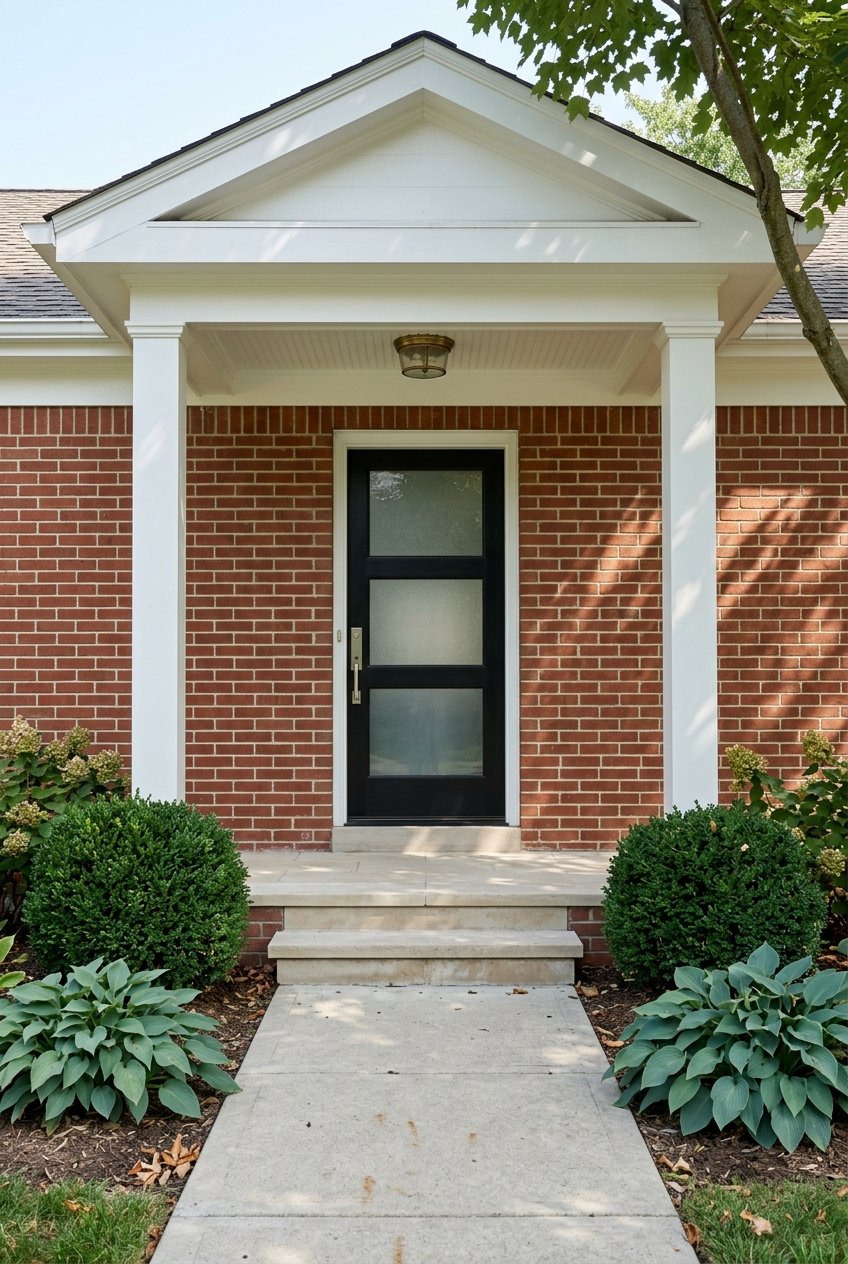
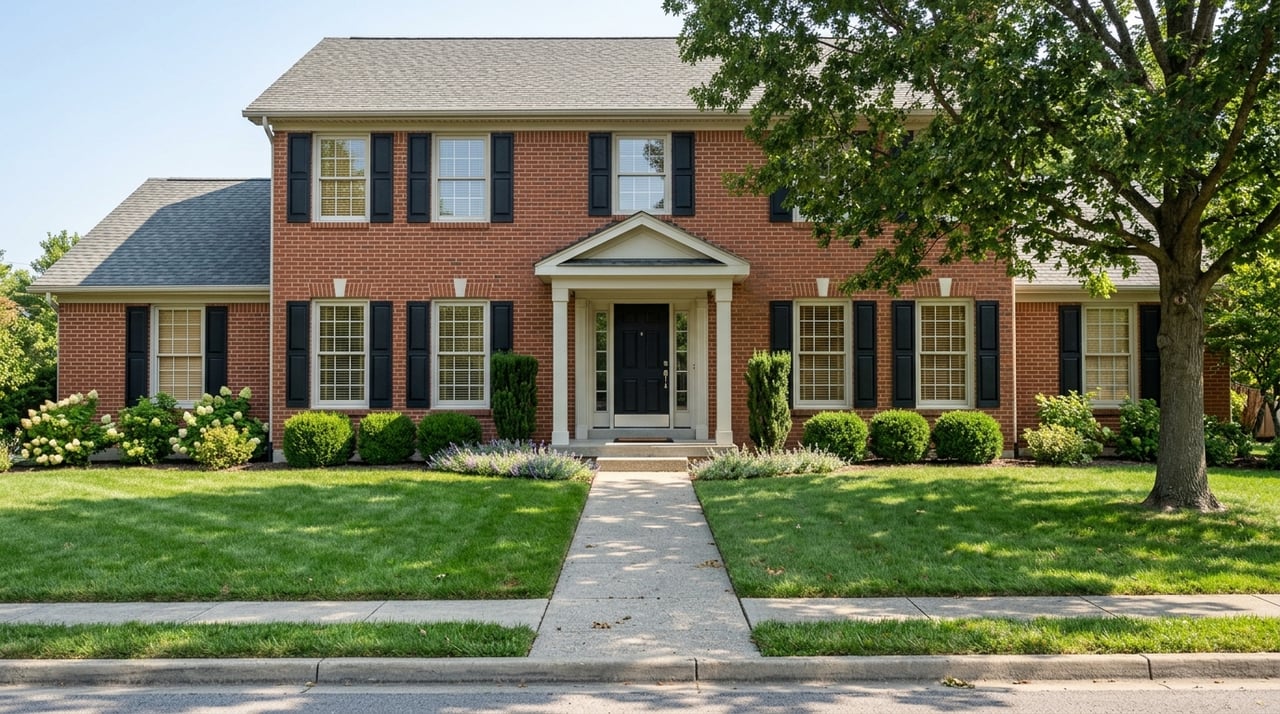
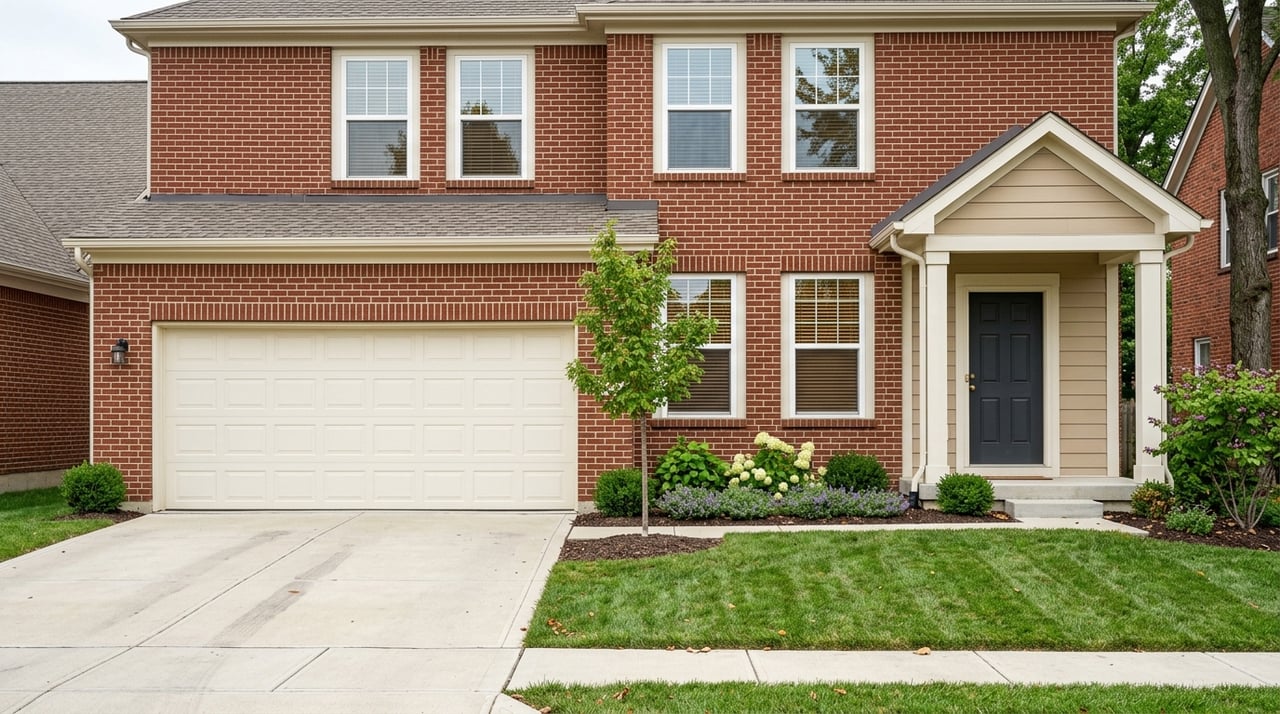
One of the biggest draws in College Hill is that the architecture is not one-note. Instead of block after block of the same style, you will find a broad mix of historic design influences that give the neighborhood depth and personality.
Documented architectural styles in College Hill include Prairie School, Tudor Revival, Spanish Colonial Revival, Colonial Revival, Craftsman, and Italian Renaissance Revival. Well-known examples include Frank Lloyd Wright’s Allen House, commissioned in 1916 and completed in 1918, along with homes recognized locally such as the Powell House, R.D.W. Clapp House, Blaser House, Pryor House, Roberts House, and Van Arsdale House.
For buyers, that variety can make home searches more interesting because properties often have distinct curb appeal and different interior layouts. For sellers, it also means presentation matters. In a neighborhood where architectural details help define value, strong pricing strategy and thoughtful marketing can make a meaningful difference.
Preservation Still Shapes College Hill
In College Hill, preservation is not just part of the past. It is an active part of the neighborhood’s future. Wichita’s preservation ordinance dates back to 1975, and the neighborhood now has a plan adopted in July 2025, with an overlay process still underway in 2026.
That ongoing planning effort shows how much local residents care about maintaining the area’s character. According to the city’s 2024 community survey, 5,311 responses were collected, and 91% of respondents supported design standards. Top priorities included preserving historic housing and neighborhood character, protecting the tree canopy, repairing sidewalks and streets, and preserving brick streets.
For anyone considering a move here, that context matters. It tells you College Hill is a neighborhood where design, compatibility, and long-term character are taken seriously. It also helps explain why the area feels cohesive even though the housing styles vary.
Parks And Outdoor Amenities
College Hill Park is one of the neighborhood’s best-known anchors. Acquired in 1925, the park spans 22 acres and includes a playground, basketball or multi-use court, shuffleboard courts, three lighted tennis courts, and a pool with a mushroom waterfall and family pool.
That kind of park access adds daily livability. Whether you want space for a walk, a place to spend time outdoors, or recreation close to home, the park gives College Hill a strong neighborhood center.
The tree canopy is another part of the experience. Mature trees are repeatedly mentioned in local descriptions of the area, and they help shape the neighborhood’s look and feel. They also support the sense of established character that many buyers are looking for when comparing older Wichita neighborhoods.
Community Traditions Add To The Appeal
A neighborhood can have beautiful homes and still feel disconnected. College Hill benefits from the opposite. Local traditions help create a sense of rhythm and belonging throughout the year.
The neighborhood association highlights recurring events such as the Holiday Lights Trolley Tour, Garden and Architectural Tour, Easter Egg Hunt, and Family Fun Fair. These gatherings give residents regular chances to connect and help reinforce College Hill’s reputation as a neighborhood with an engaged community life.
For buyers relocating to Wichita, that can be especially valuable. It is often easier to feel at home in a place where there are visible neighborhood traditions and active local participation.
Douglas Avenue Shops And Dining
College Hill’s convenience is not just about downtown access. It is also about having neighborhood destinations nearby. Local retail and dining options are concentrated along and near Douglas Avenue, giving residents easy access to coffee, restaurants, shopping, and everyday outings.
Visit Wichita highlights College Hill-area stops such as Coffee Daze, Clifton Square, The Belmont, Ziggy’s Pizza, Wine Dive, Aspen Boutique, and The Vault Collection. Clifton Square is especially notable as a Victorian-era shopping and dining village in the heart of historic College Hill.
Just beyond that, the Douglas Design District stretches as a three-mile corridor from downtown to Douglas and Oliver. It includes more than 500 locally owned businesses and more than 100 murals, adding another layer of local culture and visual interest close to the neighborhood.
Easy Access To Downtown Wichita
For many buyers, the biggest lifestyle advantage in College Hill is location. The neighborhood sits about 2.5 miles from downtown Wichita, which keeps central-city destinations close without placing you in the middle of the busiest activity.
Downtown Wichita offers museums, historic landmarks, and entertainment venues including the Wichita-Sedgwick Co. Historical Museum, Keeper of the Plains, Orpheum Theatre, Roxy’s Downtown, and TempleLive Wichita. Nearer to home, the historic Crown Uptown Theatre is also part of the area’s appeal and adds another cultural destination nearby.
That balance is what makes College Hill so compelling. You get a neighborhood known for historic residential character, established streets, and local gathering places, while still staying within a short drive of downtown events and attractions.
What Buyers Should Consider
If you are thinking about buying in College Hill, it helps to look beyond the headline appeal and focus on fit. The neighborhood offers a specific mix of features that tends to attract buyers who value character, location, and a sense of place.
Here are a few practical things to keep in mind:
- Architecture varies widely, so your home search may involve very different layouts, lot setups, and exterior styles from one street to the next.
- Preservation matters here, which can influence how the neighborhood evolves over time.
- Outdoor amenities are a major perk, especially with College Hill Park and the mature tree canopy.
- Local business access is part of the lifestyle, especially near Douglas Avenue and Clifton Square.
- Downtown convenience is a real advantage if you want quick access to culture, dining, and entertainment.
A neighborhood like College Hill is often about more than square footage. It is about how the home, the block, and the surrounding area work together to support your daily life.
What Sellers Should Know
If you own a home in College Hill and are thinking about selling, your marketing should do more than list features. Buyers are often drawn to this neighborhood because of the complete lifestyle picture: architecture, mature trees, park access, Douglas Avenue destinations, and proximity to downtown Wichita.
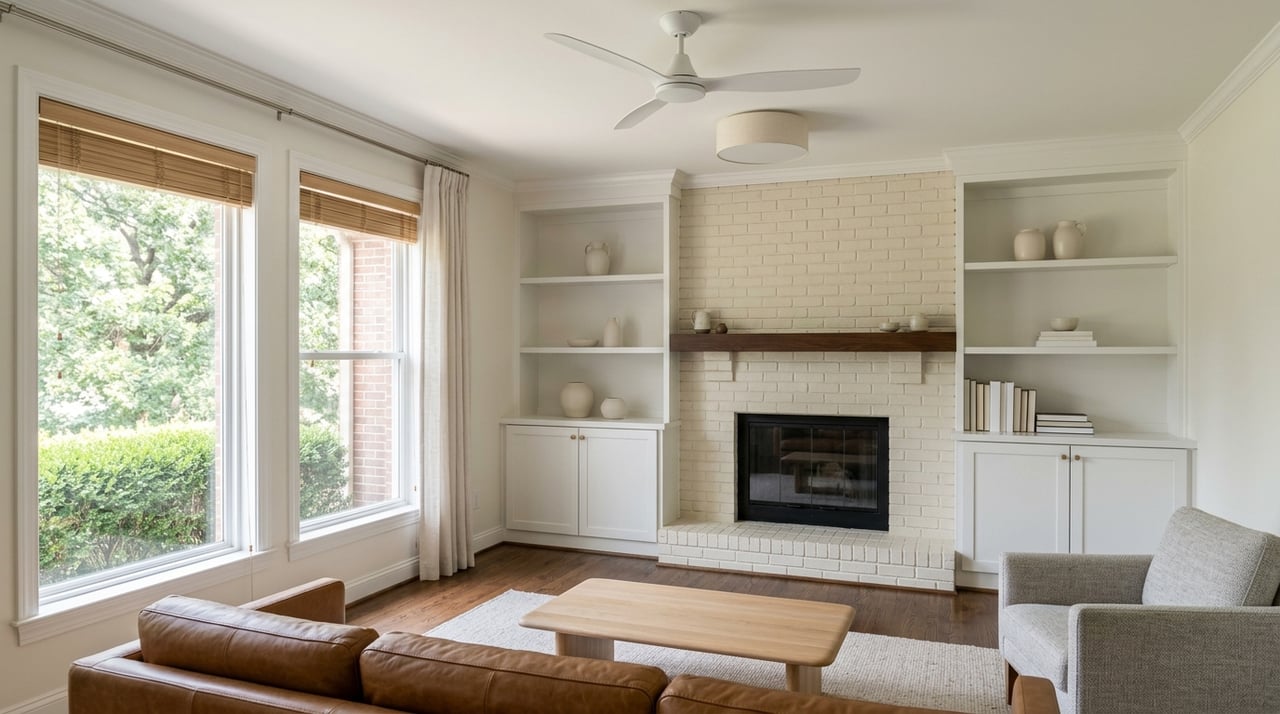
That means strong listing preparation and visual presentation can be especially important. In a neighborhood where historic details and curb appeal help shape first impressions, professional photography, video, floorplans, and thoughtful pre-listing preparation can help tell the full story of the property.
It also helps to position your home within the context buyers already value. A clear pricing strategy, neighborhood-specific insight, and marketing that shows both the home and the surrounding setting can make your listing more compelling from the start.
Why College Hill Continues To Draw Attention
College Hill has staying power because it offers a combination that is hard to replicate. You get historic architecture, established landscaping, a major neighborhood park, local shops and dining, and quick access to downtown Wichita all within a compact footprint.
Just as important, the neighborhood’s identity is being actively discussed and preserved through local planning efforts. That tells you College Hill is not simply coasting on its reputation. It is a place where long-term character, walkability, and compatibility remain part of the conversation.
If you are buying, that can mean confidence in the neighborhood’s distinct identity. If you are selling, it reinforces why thoughtful, neighborhood-specific marketing matters here.
When you are ready to explore College Hill or position your home for the market, Pam Hesse can help you navigate the neighborhood with local insight, clear strategy, and high-touch service.
FAQs
What is College Hill in Wichita known for?
- College Hill is known for its historic character, mature trees, varied architecture, College Hill Park, local businesses near Douglas Avenue, and its location about 2.5 miles from downtown Wichita.
What kinds of homes are found in College Hill?
- College Hill features a mix of architectural styles, including Prairie School, Tudor Revival, Spanish Colonial Revival, Colonial Revival, Craftsman, and Italian Renaissance Revival.
What park amenities are available in College Hill?
- College Hill Park includes a playground, basketball or multi-use court, shuffleboard courts, three lighted tennis courts, and a pool with a mushroom waterfall and family pool.
How close is College Hill to downtown Wichita?
- According to the City of Wichita, College Hill is about 2.5 miles from downtown Wichita, making it convenient for access to museums, entertainment, and other central-city destinations.
Why does preservation matter in College Hill?
- Preservation matters in College Hill because local planning efforts aim to protect architectural character, tree canopy, walkability, brick streets, and neighborhood compatibility as the area evolves.