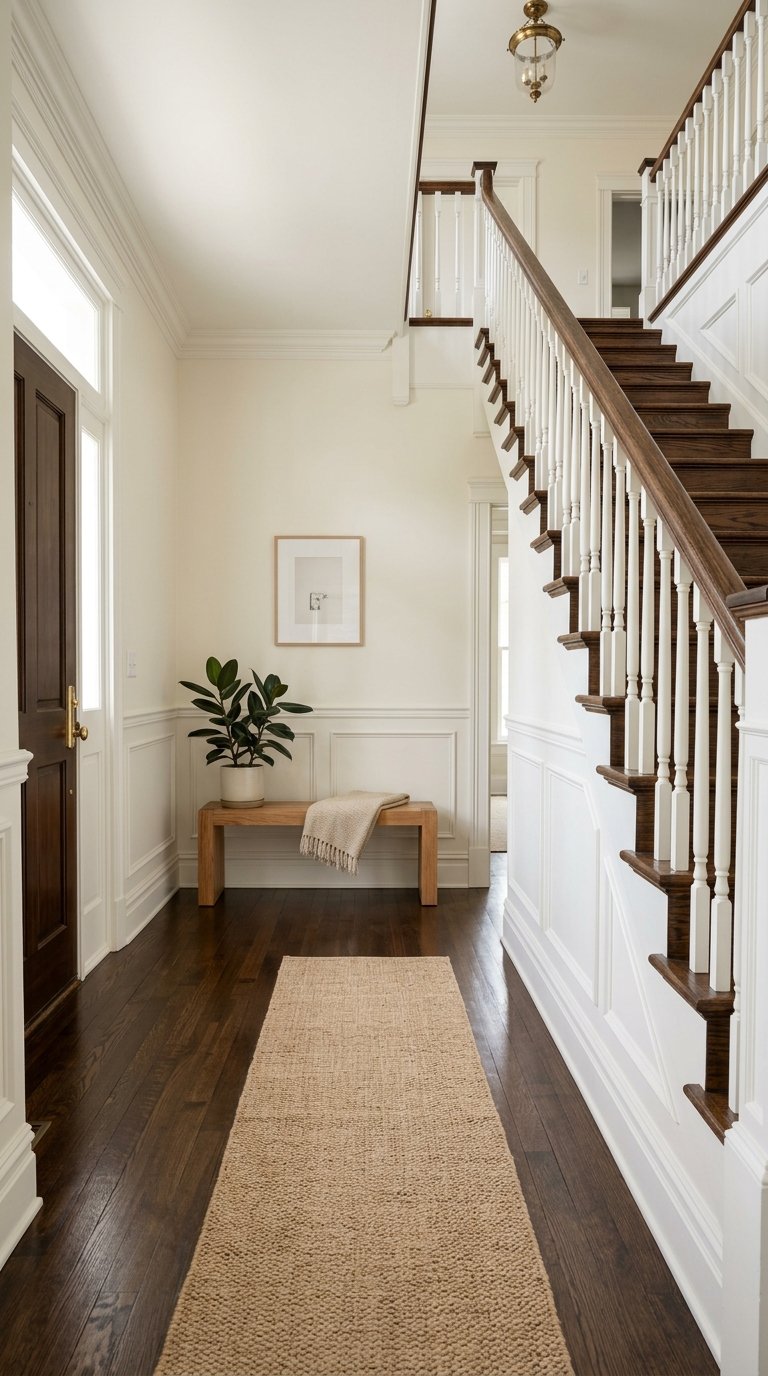
Wondering how to make your College Hill home stand out without stripping away the details that make it special? If you are getting ready to sell, that balance matters more here than it does in many other parts of Wichita. The right prep can help buyers notice your home’s character, picture themselves living there, and connect with it online before they ever step through the door. Let’s dive in.
Why College Hill prep is different
College Hill is an established Wichita neighborhood about 2.5 miles from downtown, and its identity is closely tied to historic character, mature streetscapes, and homes built at a more traditional scale. That means listing prep is not just about making your home look fresh. It is also about helping buyers clearly see what makes your property feel authentic to the area.
City materials show that preserving neighborhood character has been a long-running local focus in College Hill. For sellers, that is useful guidance. The goal is usually not to make an older home feel brand new, but to present it as well-kept, honest, and visually clear.
It is also important to keep the rules straight. College Hill is historic in character, but the city says it is not formally designated as a historic district with mandatory neighborhood-wide design rules, and the draft design guidelines remain voluntary. In other words, thoughtful prep is a best practice here, not a one-size-fits-all legal requirement.
Start with character, not cosmetics
When you prepare a College Hill home for market, the smartest first step is to identify the features that already give it presence. In many homes, that includes original brick or wood siding, a front porch, traditional window patterns, hardwood floors, built-ins, fireplaces, stair details, and trim.
Those are not items to hide under trendy updates or heavy decor. They are often part of what helps a listing feel memorable. Buyers shopping in College Hill are usually responding to the overall feel of the home as much as the room count.
A good rule is simple: restore and reveal before you replace and reinvent. That approach fits the neighborhood, photographs better, and helps your listing feel more cohesive.
Focus on exterior details first
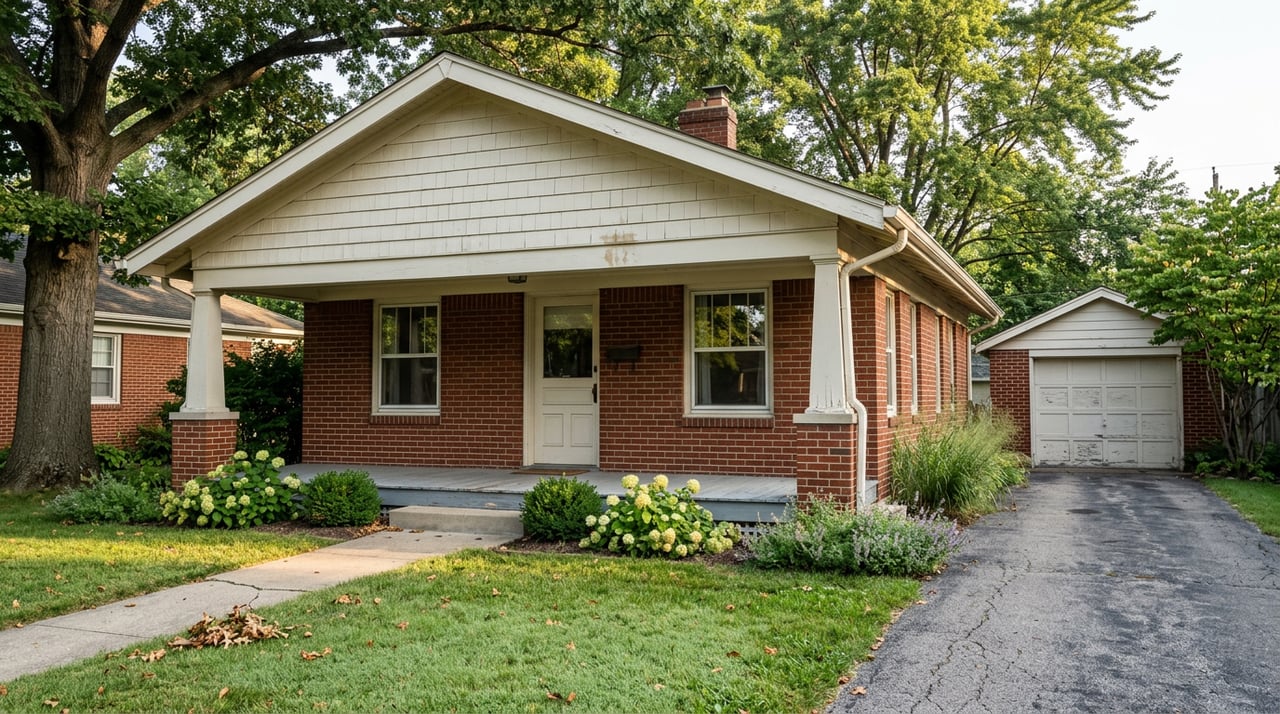
Your exterior is the first impression in person and online. In a neighborhood like College Hill, small details can shape how buyers read the entire property. The front elevation, porch, materials, and landscaping all work together.
The city’s draft College Hill design guidance places a strong emphasis on preserving primary historic materials when feasible. Brick and wood are common in the neighborhood, while vinyl, aluminum, and imitation brick are described as inappropriate in that design guidance. If a material truly needs replacement, matching the original style and dimensions is the better path for maintaining a consistent look.
That does not mean you need a major renovation before listing. It means your prep dollars are often better spent on repair, paint touch-ups, cleaning, and simple restoration-minded updates than on dramatic exterior changes.
Refresh the entry experience
The front porch and main entry often carry a lot of visual weight in College Hill homes. Make sure the porch feels open, clean, and welcoming rather than crowded. Oversized furniture, too many planters, or seasonal items can distract from original details.
Keep the scale of your decor in check. Many homes in the neighborhood are one to two stories and reflect a more human-scaled design. Simple seating, a clean door, polished hardware, and tidy lighting usually do more for curb appeal than trying to fill every inch of the porch.
Let original features show
Porches, window patterns, roof forms, and overall scale are all part of the visual language of College Hill. If your home has these features, make sure buyers can actually see them. Trim back landscaping that blocks windows, remove anything that hides the symmetry or lines of the front facade, and avoid decor that competes with the architecture.
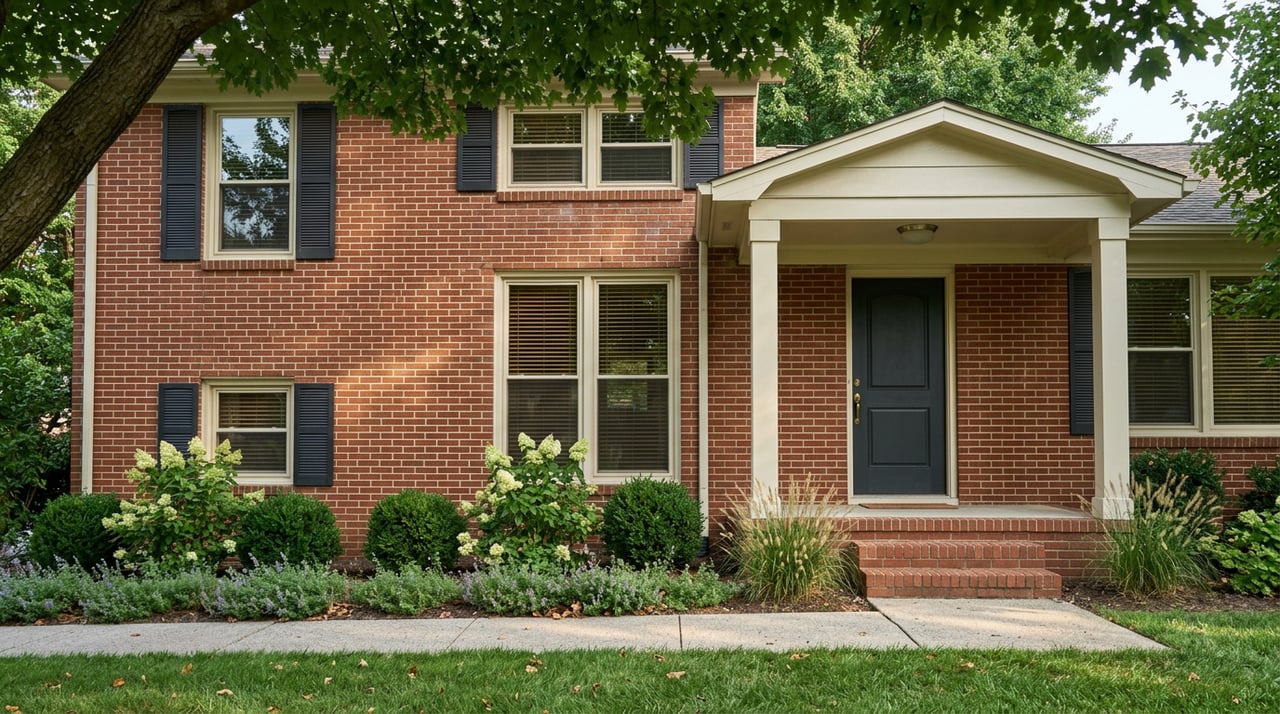
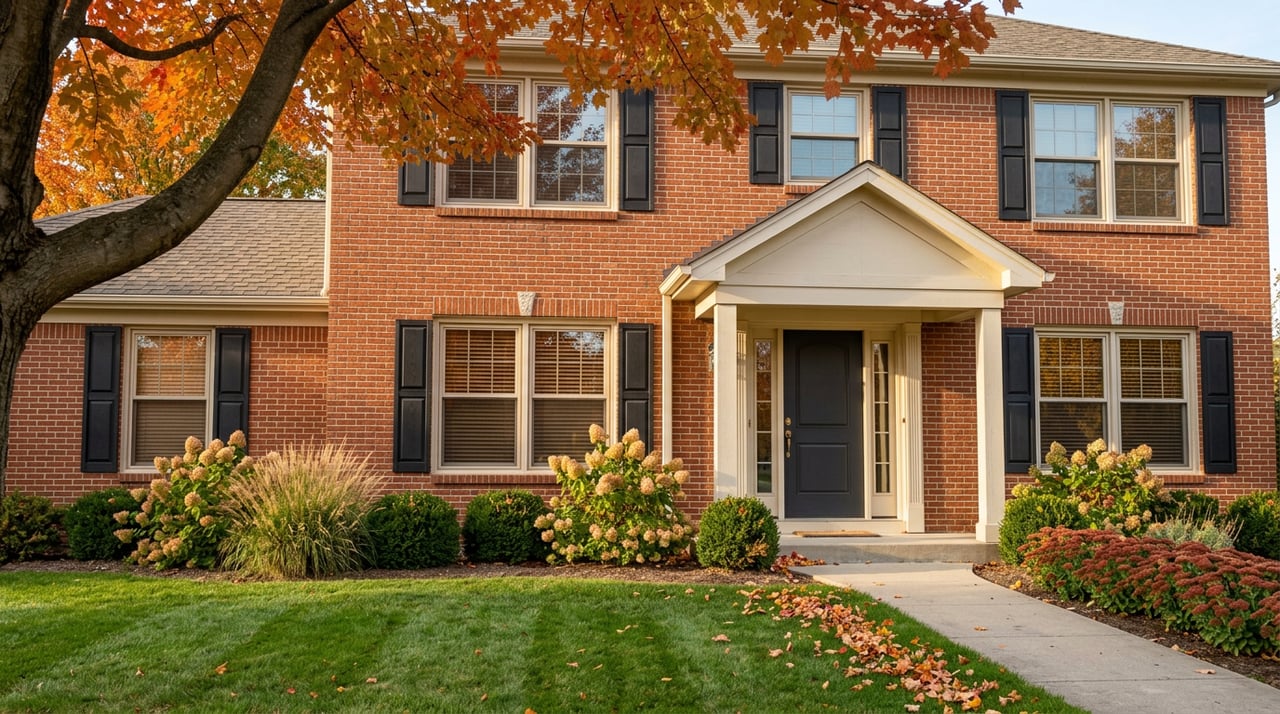
Mature landscaping can be a major asset, especially in photography. Clean edging, trimmed shrubs, and a neat lawn help the home feel cared for without making it look overworked.
Stage the inside for clarity
Staging matters because buyers are often deciding with both emotion and speed. According to the 2025 Profile of Home Staging, 83% of buyers’ agents said staging makes it easier for a buyer to visualize the property as a future home. The same report found that 49% of sellers’ agents said staging reduced time on market.
In a College Hill home, staging works best when it supports the architecture instead of competing with it. You do not need to force the home into a theme. You want buyers to notice the space, light, flow, and details that make the house feel special.
Remove visual noise
The camera sees clutter faster than people do. Even rooms that feel comfortable in everyday life can look cramped in photos if they have too much furniture or too many accessories.
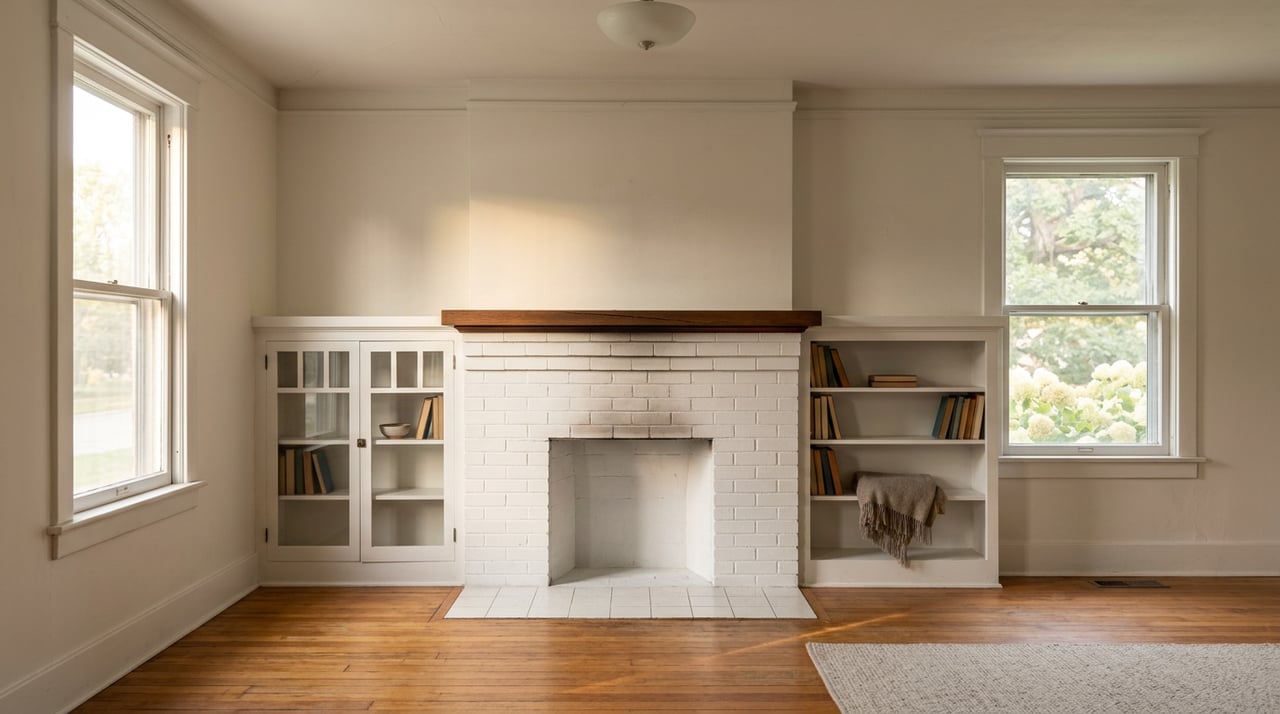
Start by clearing surfaces, thinning bookshelves, removing bulky pieces, and opening sightlines. Built-ins, fireplaces, trim, hardwood floors, and stair details should feel visible and easy to appreciate.
Choose the right furniture scale
Scale matters in older homes. The neighborhood’s design character leans toward traditional proportions, so oversized sectionals, very large bedroom sets, or heavy accent pieces can make rooms feel smaller and throw off balance.
If you are staging with your own furniture, consider editing down to fewer pieces. The room should look functional, but not full. Buyers should be able to understand how the room works at a glance.
Keep finishes simple and honest
Neutral wall colors and simpler accessories can help period details stand out. That does not mean your home needs to look old-fashioned. It means buyers should see a clean, well-maintained space where original features read clearly.
If you are repainting, aim for calm, broadly appealing tones that support natural light. If you are updating decor, choose pieces that feel light and proportional rather than bold enough to steal attention.
Prepare for photos like buyers are already shopping
Most buyers start online, and the listing media package plays a huge role in whether they decide to visit. In 2024, 43% of buyers said their first step was to look on the internet, and 51% found the home they purchased online. Buyers also said the most valuable website content was photos, detailed property information, and floor plans.
That means your listing prep should be planned with photography and video in mind from the start. If a room, porch, or backyard does not read well in images, it may not get the attention it deserves.
Prioritize every key room
High-resolution photos and video are essential, and all key rooms should be photographed. Close-up images can also help buyers understand what makes the home appealing, especially when they highlight fireplaces, storage, natural light, and outdoor space.
Before the shoot, walk room by room and ask one question: what is this space supposed to say? If the answer is unclear because of clutter, poor furniture placement, or visual distractions, adjust it before photos are taken.
Use layout tools to answer questions
Virtual tours and floor plans are especially useful because they help buyers understand how rooms connect. They also answer practical questions, like how furniture might fit and where doors and windows sit within the layout.
For College Hill homes, this matters because charm draws people in, but layout clarity helps them move forward. A strong visual package should show both character and function.
Time exterior images carefully
Lighting can completely change the way your home comes across online. NAR guidance notes that strong light is important and that dusk or magic-hour shots can be very effective.
That can be especially true in College Hill, where brick texture, porch details, and mature trees often photograph beautifully in softer light. A polished media plan helps your home make a strong first impression before buyers ever schedule a showing.
Be smart about repairs and disclosures
Not every pre-listing project adds value, and some work needs extra care. If your home was built before 1978, exterior scraping, sanding, or repainting may trigger lead-safe renovation and disclosure requirements. Buyers of most pre-1978 housing must receive lead information before sale or lease, and renovation work should follow lead-safe practices.
This is one more reason to create a prep plan before jumping into projects. A thoughtful seller strategy can help you decide what to repair, what to leave alone, and what to document clearly for buyers.
If you are unsure whether your property has a separate historic designation beyond being in College Hill, Wichita’s Historic Preservation resources and GIS tools are the right place to verify that. The key point is not to assume every College Hill home is subject to mandatory historic review.
A practical listing-prep checklist
If you want a simple place to start, focus on the items that improve presentation, protect character, and strengthen online appeal.
- Deep clean inside and out
- Touch up paint and repair worn finishes
- Clear porches, entries, and walkways
- Trim landscaping to reveal windows and facade details
- Remove bulky or excess furniture
- Highlight fireplaces, built-ins, trim, and floors
- Use simple, neutral decor and accessories
- Prep every key room for photos and video
- Gather any needed information for older-home disclosures
- Confirm whether any separate historic designation applies to your property
Why this approach works
The best College Hill listings usually do not try to look like they could be anywhere. They succeed because they present the home clearly, honestly, and with respect for what makes the property fit the neighborhood.
That is where strategy matters. When prep, staging, photography, video, and pricing all work together, your listing has a much better chance of catching buyer attention quickly and turning that interest into strong showings.
If you are thinking about selling in College Hill, Pam Hesse can help you build a smart prep plan, coordinate standout marketing, and position your home to shine from the first photo to the final showing.
FAQs
What makes listing prep different for a College Hill home?
- College Hill homes often stand out because of original materials, porches, window patterns, and traditional scale, so prep should focus on revealing and preserving character rather than covering it up with overly modern changes.
Are there mandatory historic rules for every College Hill property?
- No. City materials say College Hill is historic in character, but it is not a formally designated historic district with mandatory neighborhood-wide design rules, and the draft design guidelines are voluntary.
What exterior updates help a College Hill listing most?
- Cleaning, repair, paint touch-ups, landscape trimming, and restoring visible features like brick, wood, porches, and windows usually help more than dramatic remodels.
Why does staging matter for a College Hill listing?
- Staging helps buyers visualize living in the home, reduces visual clutter, and makes original details like trim, built-ins, fireplaces, and hardwood floors easier to see in person and online.
What media should a College Hill home listing include?
- Strong listing packages should include high-resolution photos, video, and floor plans because buyers value visual information and use it to understand both the home’s character and layout.
Does lead-based paint matter when selling an older College Hill home?
- Yes. If the home was built before 1978, buyers of most housing must receive lead information, and renovation, repair, and painting work should follow lead-safe practices.
How can you check whether a College Hill property has separate historic designation?
- Wichita’s Historic Preservation resources and GIS map are the right local tools to verify whether a property has a separate designation or review requirements beyond the neighborhood’s general historic character.