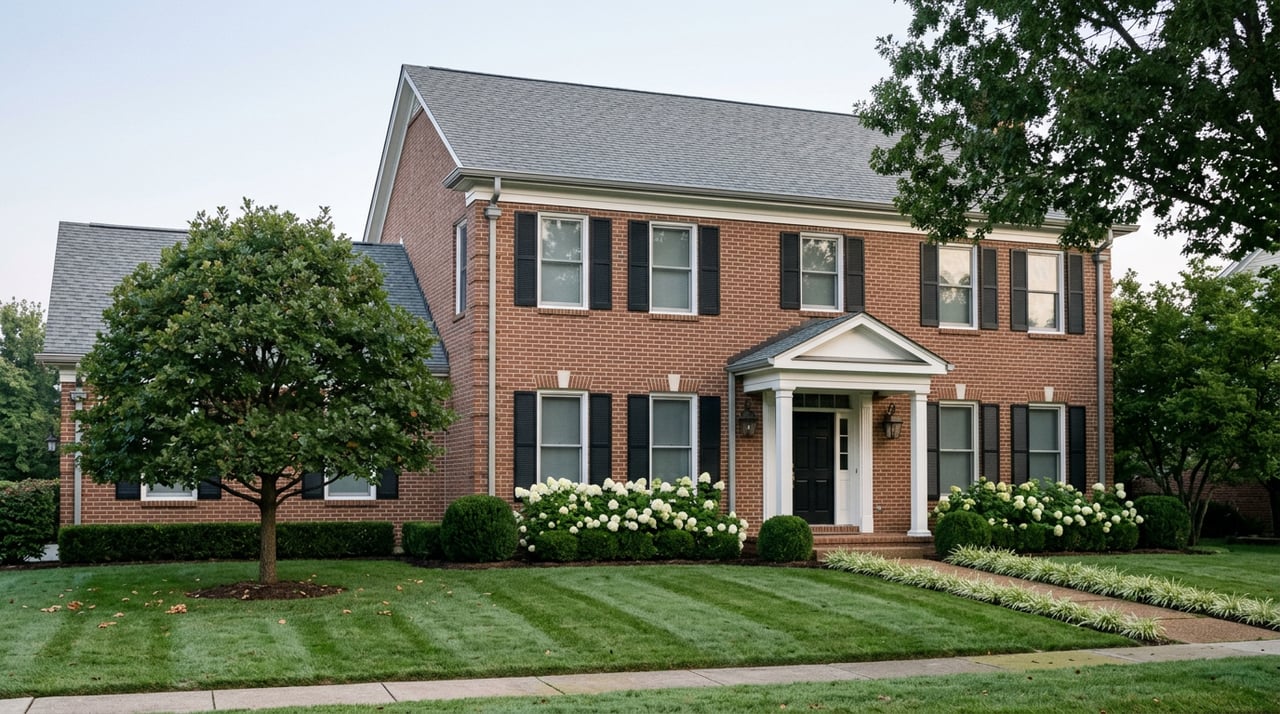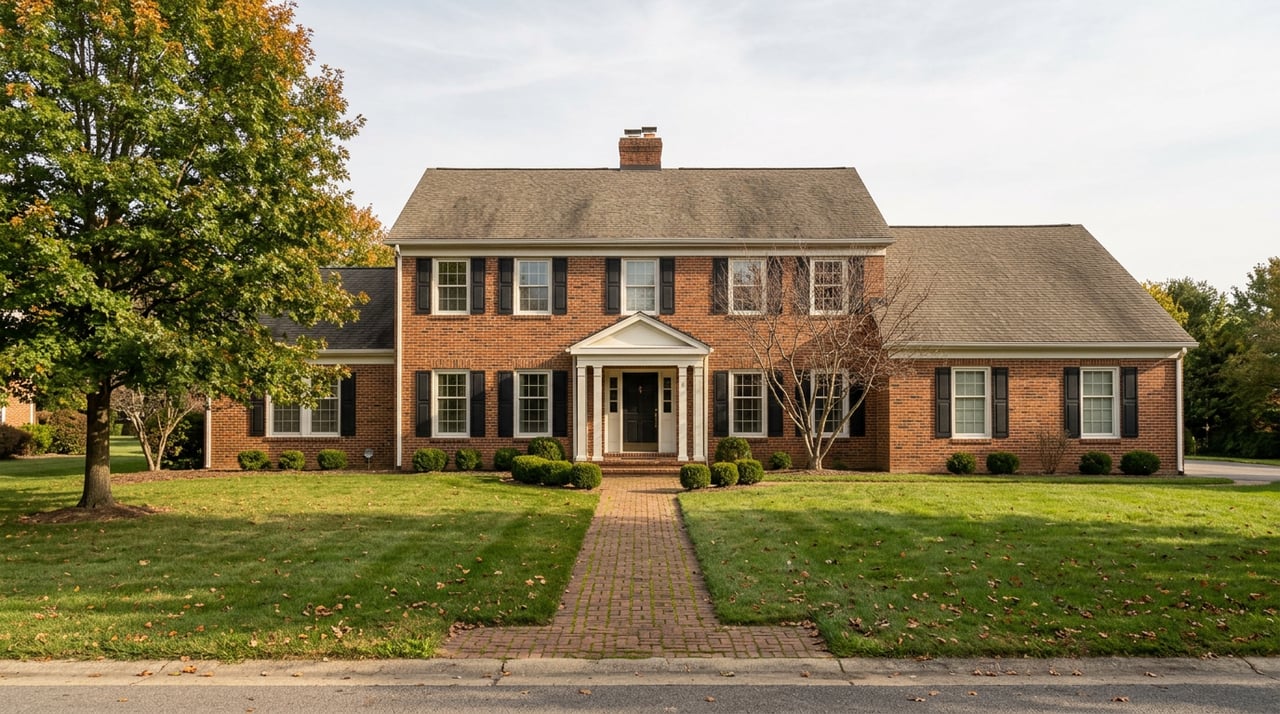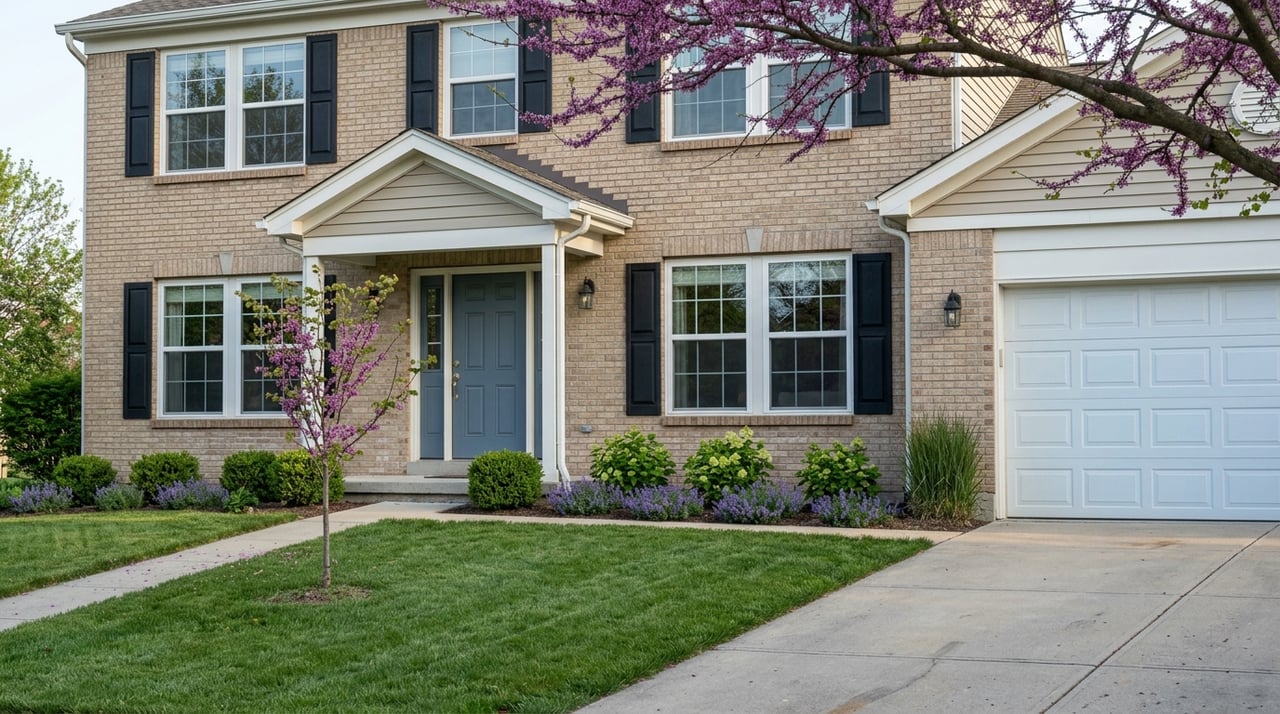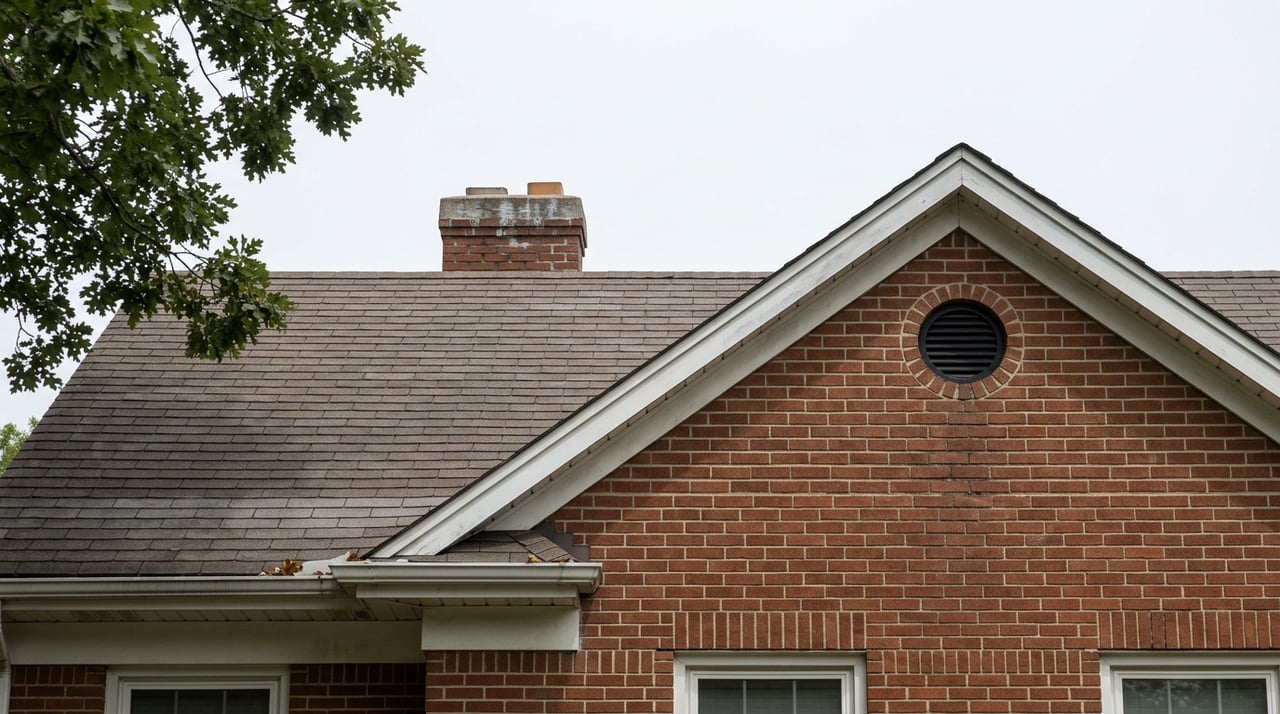
Drive down almost any street north of Andover Road and you'll see it: a two-story brick colonial with a four-year-old roof next to one with a fifteen-year-old roof, both sitting on lots platted before anyone had heard of an EF-3. That mismatch isn't cosmetic. It's a map of who filed an insurance claim after April 29, 2022, and who didn't. What most buyers walking through a rebuilt home never ask is what happened to that claim money on its way from the insurer to the homeowner. In Andover, the answer isn't always "straight to the homeowner."
Buried in Chapter IV of the city's own building code is an article most agents never open: Article 13, the Insurance Proceeds Fund. It gives the city legal standing to intercept part of a large insurance settlement before it reaches the person who filed the claim. This isn't a rumor from the tornado years. It's still sitting in the code today, and it's worth understanding before you write an offer, or sign a listing agreement, on a home that took storm damage.
The Clause Living In Chapter IV
Kansas law, specifically K.S.A. 40-3901 and the sections that follow it, authorizes cities to set up exactly this kind of arrangement. When a covered loss on a building settles for more than 75 percent of the policy's face value, the insurer doesn't just cut a check to the homeowner. It first has to check with the city treasurer to see whether the property carries back taxes or code violations tied to the damage. If it does, the insurer routes a portion, commonly up to 15 percent under the standard Kansas municipal template, to the city instead of the homeowner. The city holds that money in a dedicated Insurance Proceeds Fund while a building inspector decides whether further action is needed. If the inspector clears the property, the funds go back to the homeowner, typically within 30 days.
Andover's version of this article is current through the ordinance the city council adopted this past May, which means it's not a leftover from an older code review. It's active language governing any structure in the city that suffers major fire, explosion, or windstorm damage today.
Why This Isn't Hypothetical Right Now
This code stopped being theoretical for Andover the week of April 29, 2022, when a strong tornado tracked across the east side of town and was rated EF-3 by the National Weather Service. In the recovery that followed, local reporters pressed the city on exactly this clause, asking whether Andover would actually hold back 15 percent of settlements on homes with at least 75 percent loss. A Wichita attorney confirmed at the time that state law does allow the arrangement, and that its more likely purpose is making sure back taxes get paid before insurance money moves, not punishing homeowners outright.
Whatever the intent, the mechanism is real, and a meaningful share of Andover's current housing stock passed through it. Any home on the market today that was rebuilt from the studs, or repaired extensively, after that storm has an insurance file somewhere with the city's fingerprints on it. That file rarely shows up in listing photos or square footage counts, but it's part of the property's actual history in a way a granite countertop never is.
What The Ordinance Does To A Closing Timeline
Here's the part that catches people off guard during a transaction rather than during casual conversation. The standard Kansas process runs like this once a claim settles above the 75 percent threshold:
- The insurer contacts the city treasurer to check for existing liens or back taxes on the property.
- If none exist, the full settlement goes to the homeowner as normal.
- If encumbrances do exist, the insurer sends the city its share directly, and the remaining balance goes to the homeowner.
- The city's building inspector has a set window, 20 days under the common template, to decide whether repair or removal action is required.
- If no action is needed, the treasurer returns the held funds, plus interest, to the homeowner within 30 days.
For a buyer, the practical question isn't whether this happened to the current owner. It's whether the file closed cleanly. A home where the city released the funds and the inspector signed off years ago is a non-issue. A home where that paperwork never fully closed can carry a lien that a title search should catch, but only if someone thinks to ask the right question of the title company up front rather than discovering it during underwriting.
What $370,000 Buys Versus What $455,307 Buys
The rebuild wave also reshaped what "median price" means in Andover, and it's worth separating two numbers that get flattened together on portals.
As of late March 2026, new construction listed in Andover carried a median list price around $370,000, spread across roughly two dozen active new-build listings in subdivisions like Prairie Creek, where builders including Comfort Homes and Don Klausmeyer Construction have been active, and Terradyne, built around the golf course community of the same name. Over the trailing twelve months, though, the broader Andover market, new and existing homes combined, carried an average sold price closer to $455,000.
That gap isn't a contradiction. It's two different products. The new-construction median reflects starter and mid-tier lots still being built out on the city's edges. The higher trailing average reflects the mature, finished-basement, larger-lot inventory closer to the original town core, homes that never needed a full rebuild and have decades of undisturbed history behind them. A buyer comparing a $370,000 new build to a $450,000 resale isn't just comparing square footage. They're often comparing a property with a fresh permit file to one with a much longer paper trail, for better or worse.
What Kansas Disclosure Law Actually Requires
None of this insurance-fund mechanism is the same thing as Kansas's seller disclosure rules, and it's easy to conflate the two. Kansas doesn't require a standardized disclosure form by statute. Kansas law, under K.S.A. 58-30,106, does say a seller's agent has no duty to independently verify what a seller tells them, but must pass along any fact actually known to the agent that contradicts a written condition report already given to the buyer. In practice, sellers and their agents almost always use the Kansas Association of Realtors' sample disclosure form anyway, because once a seller provides one, common law requires it to be accurate, and an inaccurate one creates real liability.
So a seller who rebuilt after the tornado has two separate obligations to think through: the customary disclosure form covering the physical condition of the house, and, if the Insurance Proceeds Fund was ever involved, making sure that file is actually closed before it becomes a title question at closing.
Before You Write An Offer On A Rebuilt Andover Home
A short list worth working through with your agent and title company before you get too far into a rebuilt or heavily repaired property:
- Ask whether the home had a claim settle above 75 percent of policy value, and if so, request confirmation the city released any held funds.
- Confirm permits for the rebuild were closed out with Andover's Building & Inspections Department, not just started.
- Note that as of June 2025, most contractors in Andover only need a Metropolitan Area Building and Construction Department license plus a certificate of insurance on file with the city, rather than a separate city license, which is worth knowing if you're trying to verify who actually pulled the permit.
- Get the seller's disclosure in writing even though Kansas doesn't mandate a specific form. It's still your clearest record of what the seller actually knew.
None of this is legal or insurance advice. A Kansas real estate attorney or your title company is the right party to confirm lien status on any specific address.
FAQ
Does this only apply to tornado damage? No. The statute covers fire, explosion, and windstorm losses generally. A severe hail or wind claim on an otherwise untouched home can trigger the same 75 percent threshold.
Is this unique to Andover? The authority comes from state law, and cities across Kansas, from Lenexa to Wamego to Smith Center, have adopted nearly identical ordinances. Andover's version simply sits in Article 13 of its own building code.
Does a small roof claim trigger this? Only if the settlement itself exceeds 75 percent of the policy's face value on the structure. A routine partial roof claim well under that threshold typically doesn't involve the city at all.
If you're weighing a rebuilt home in Andover, or getting ready to sell one, the file behind the house matters as much as the finishes inside it. Pam & Ashley can walk that history with you before you write an offer or sign a listing agreement. Book a free consultation and let's look at the paperwork together, not just the photos.