Pricing your Eastborough home right is the single biggest lever you control. Go too high and you risk stale days on market and painful price cuts. Go too low and you leave money on the table. In this guide, you’ll learn a clear, defensible way to set your list price, prepare for appraisal, and use presentation to increase perceived value. Let’s dive in.
Know the Eastborough context
Eastborough is a small, incorporated enclave inside Wichita with its own city services and a location within the Wichita public school area (USD 259). You benefit from close-in convenience and a quiet neighborhood scale. That size also means a limited number of annual sales, which can make pricing trickier. In a small market, every closing can sway the data more than you might expect.
Zillow’s neighborhood index puts Eastborough’s typical home value around $483,825, while Wichita’s citywide typical value sits closer to $195,000. Treat algorithmic indexes like ZHVI as directional, not as a substitute for a local CMA built from closed sales. Your pricing decision should be grounded in recent, nearby, and truly comparable closings. In many cases, you will need to lean on adjacent Wichita comps due to Eastborough’s smaller sample size.
The broader Wichita market has more inventory and longer days on market than the 2021–2022 peak, which affects strategy by price tier and neighborhood. Review recent local recaps to understand how buyer activity and supply look today across Wichita and surrounding areas. When inventory is higher, buyers compare more sharply and punish overpricing faster. Use that reality to shape your first two weeks on market and your pricing tactic. A recent Wichita housing market review offers useful context for timing and inventory shifts.
Build a defensible list price
Start with a real CMA
Ask your agent for a comparative market analysis that prioritizes closed sales of truly comparable homes. Aim for 3 to 6 sold comps if available, then expand outward to nearby Wichita blocks and extend the lookback to 6–12 months if Eastborough sales are sparse. Include adjustments for square footage, beds and baths, finished basement, lot size, and condition, and document why each comp made the cut. Use active and pending listings to understand buyer competition, not as proof of value. See a practical overview of CMA best practices in this guide to comparative market analysis.
Be careful with price per square foot
Price per square foot is a quick gut check, but it can be misleading in older or unique floor plans and where lot size, pools, or heritage features drive value. Always reconcile any $/sqft takeaway with the dollar evidence in your best closed comps. If the comps require major adjustments to fit your home, explain those adjustments up front in your pricing narrative. Clear documentation reduces confusion for buyers, agents, and appraisers.
Plan for appraisal realities
Separate tax appraisal from lender appraisal
Sedgwick County issues annual property value notices based on a January 1 valuation date for tax purposes. That process is different from a lender’s appraisal for a buyer’s loan. Understanding that difference helps set expectations and reduces confusion when you go under contract. The Sedgwick County Appraiser page explains the county’s valuation and appeal process, and the County Treasurer’s Property Tax 101 outlines how assessed values and mill levies determine taxes.
Prepare for a potential low appraisal
If you accept an offer materially above what closed comps support, a financed buyer could hit an appraisal gap. Appraisers rely heavily on recent comparable sales and may look just outside Eastborough for additional data. Reduce your risk by preparing a concise seller appraisal packet: receipts and permits for upgrades, dates and costs for big systems, and the most relevant comps with notes. If needed, lenders have formal reconsideration of value processes, which are outlined in Fannie Mae’s ROV guidance.
Know what documentation helps
Upgrades like a new roof, HVAC, or water heater help buyers feel confident, and they provide appraisers with objective value signals. Keep your invoices and permits ready for listing day and for any appraiser visit. A one-page summary with dates, contractors, and costs is ideal. For a plain-English overview of how appraisals work, review Fannie Mae’s guide to home appraisals.
Make condition work for you
Prioritize ROI projects
Not every improvement pays back before a sale. Historical data shows smaller, high-visibility upgrades often produce better returns than major overhauls. Think fresh paint, lighting updates, flooring refreshes, and a targeted kitchen or bath tune-up. Use the latest national report to guide choices with the best historical payback at Cost vs. Value.
Consider a pre-listing inspection
If budget allows, a pre-listing inspection can help you find and fix issues that would otherwise become renegotiation points. Focus on safety items and the big-ticket systems that can spook buyers late in the process. A clean inspection follow-up list shows buyers you have done the homework. It often reduces the need for large concessions.
Use marketing to boost perceived value
Stage the rooms that sell
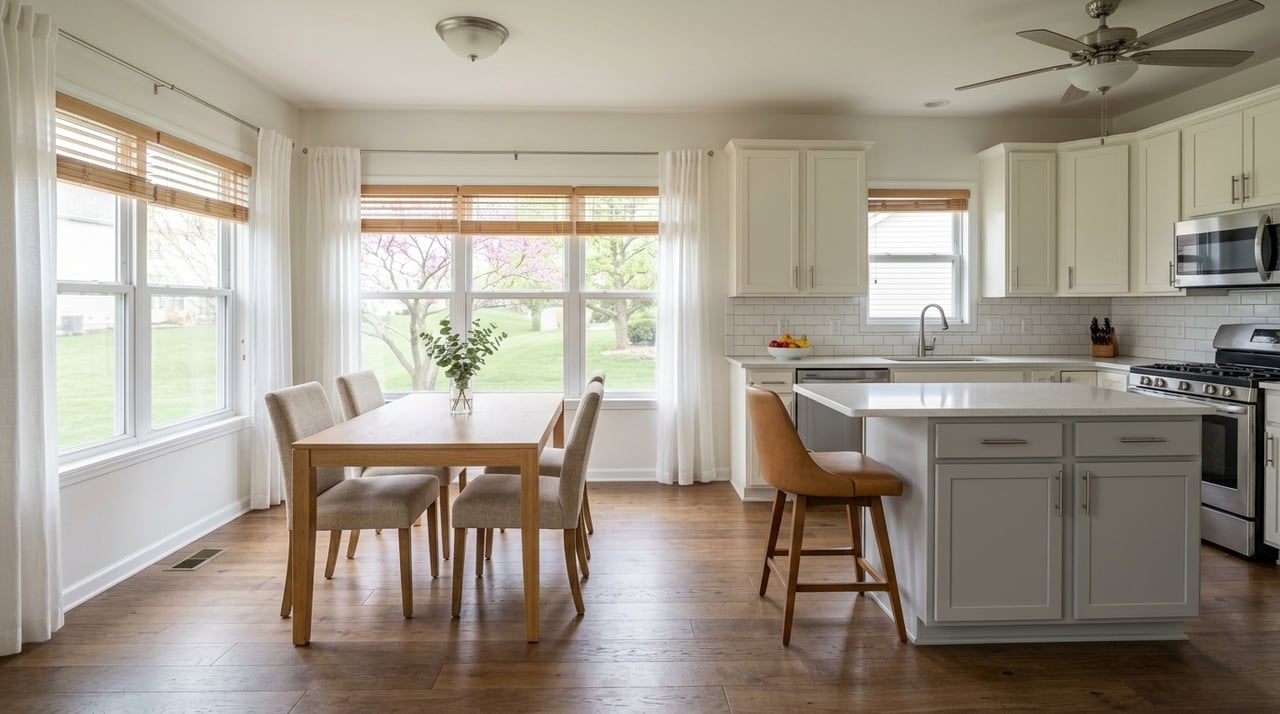
Staging helps buyers understand scale and flow and can shorten time on market. In Eastborough’s price bands, focus on the living room, kitchen, and primary bedroom. Even light staging and decluttering in key areas pays off in photos and in person. See findings and seller prep tips from the National Association of Realtors research on staging.
Invest in professional visuals
Professional listing photos, twilight exteriors, floor plans, and select drone shots can increase online engagement and drive more showings. More attention early usually equals stronger offers. If you expect out-of-town interest, add a 3D walk-through or short property video to capture remote buyers. For a deeper look at why rich media pays off, explore this perspective on property media as an investment.
Choose your pricing tactic
Price to spark competition
This approach means listing slightly under your perceived market value to pull in more buyers fast. It works best when inventory is tight and your agent can concentrate showings in the first few days. The risk is a lower net if multiple offers do not materialize. Use current Wichita inventory and showing trends to decide if this is the right play, and review a local market recap like this Wichita market review for context.
Price at market to anchor
List at a well-supported market value backed by your strongest comps. This is the most predictable path if you want to maximize expected proceeds with less appraisal risk. Monitor engagement closely and set a short review window. If showings or saves lag in the first 7 to 14 days, execute your pre-agreed price adjustment plan. For a refresher on structuring a CMA and range, see the CMA guide.
Avoid the trap of pricing high to “leave room”
Overpricing usually lengthens days on market and can trigger multiple reductions that invite skepticism. The longer a listing sits, the more buyers wonder what they are missing. If you choose to test high, set a firm timeline and be transparent about your likely days on market. A clear pivot plan protects your momentum.
A simple seller checklist
- Gather documents in 1–2 days
- Receipts and permits for upgrades, utility info, survey or plat, property disclosures, and any HOA or municipal documents if applicable.
- Assemble a one-page improvements list with dates, costs, and contractors.
- Keep this in a visible folder for showings and appraisal. Review what appraisers look for with Fannie Mae’s overview.
- Order your CMA and optional pre-listing appraisal or inspection in 3–7 days
- Ask for 3–6 sold comps, 5–10 active and pending listings, an adjustments grid, and a suggested list-price range.
- Consider a pre-listing appraisal if you want stronger negotiation leverage in a price band with fewer comps.
- Learn the components of a strong CMA in this guide.
- Prep the home in 1–3 weeks
- Prioritize curb appeal, neutral paint, minor repairs, deep cleaning, and staging key rooms.
- Allocate budget first to professional photography, floor plans, and drone or twilight images if the lot or exterior shines.
- For staging impact and ideas, scan the NAR staging resources.
- Choose a pricing tactic and set a 7–14 day review window
- Decide if you will price to generate competition or anchor at market.
- Monitor online views, saves, showing requests, and feedback daily during week one.
- If activity misses your targets, follow the pre-set price or terms adjustment plan.
- Prepare your appraisal and ROV packet before listing
- Include your one-page improvements list, copies of permits and invoices, and the most relevant closed comps.
- Keep it ready for the appraiser and the buyer’s lender.
- If value comes in low, understand the reconsideration path with Fannie Mae’s ROV guidance.
Metrics to watch
- Median sale price vs. AVMs. Algorithmic indexes estimate trends, while closed-sale medians reflect actual transactions. Use both for context, but base your price on closed comps plus active competition.
- Days on market. Fast early activity signals alignment between price and presentation. Slow initial weeks suggest you are above buyer expectations and may need to adjust.
- Months of supply. Less than about four months often favors sellers, while four to six is more balanced. Eastborough can differ from county averages, so watch neighborhood-level stats if available.
- List-to-sale price ratio. Values near or above 100 percent indicate strong competition. Track this for your comp set as you choose your tactic.
How we help you price and present
You get two experts focused on one goal: maximize your net with less stress. We start with a data-backed CMA and a clear pricing tactic. Then we lean into premium visuals, staging guidance, and concierge prep to create standout presentation. Throughout, you get transparent reporting and a set review window so you always know what comes next.
Ready to see your best price strategy for Eastborough? Let’s map your comps, timeline, and marketing plan together. Book a Free Consultation with Pam Hesse to get started.
FAQs
What makes pricing in Eastborough different?
- Eastborough has a small number of annual sales, so each closing can sway comps; you often need to include nearby Wichita sales and explain adjustments clearly.
Should I trust online home value estimates for Eastborough?
- Treat AVMs as directional only; base your list price on a CMA built from the most recent, closest, and most comparable closed sales plus a scan of current active competition.
How do tax appraisals affect my list price?
- County appraisals set a January 1 value for taxes and use assessed values to calculate bills; they are separate from lender appraisals and should not set your list price.
What projects usually pay back before listing?
- Light, high-visibility updates like paint, lighting, flooring refreshes, and targeted kitchen or bath tune-ups have historically performed better than major remodels.
How long should I wait before adjusting price?
- Set a 7 to 14 day review window; if online engagement and showings lag your targets, follow your pre-agreed adjustment plan to protect momentum.