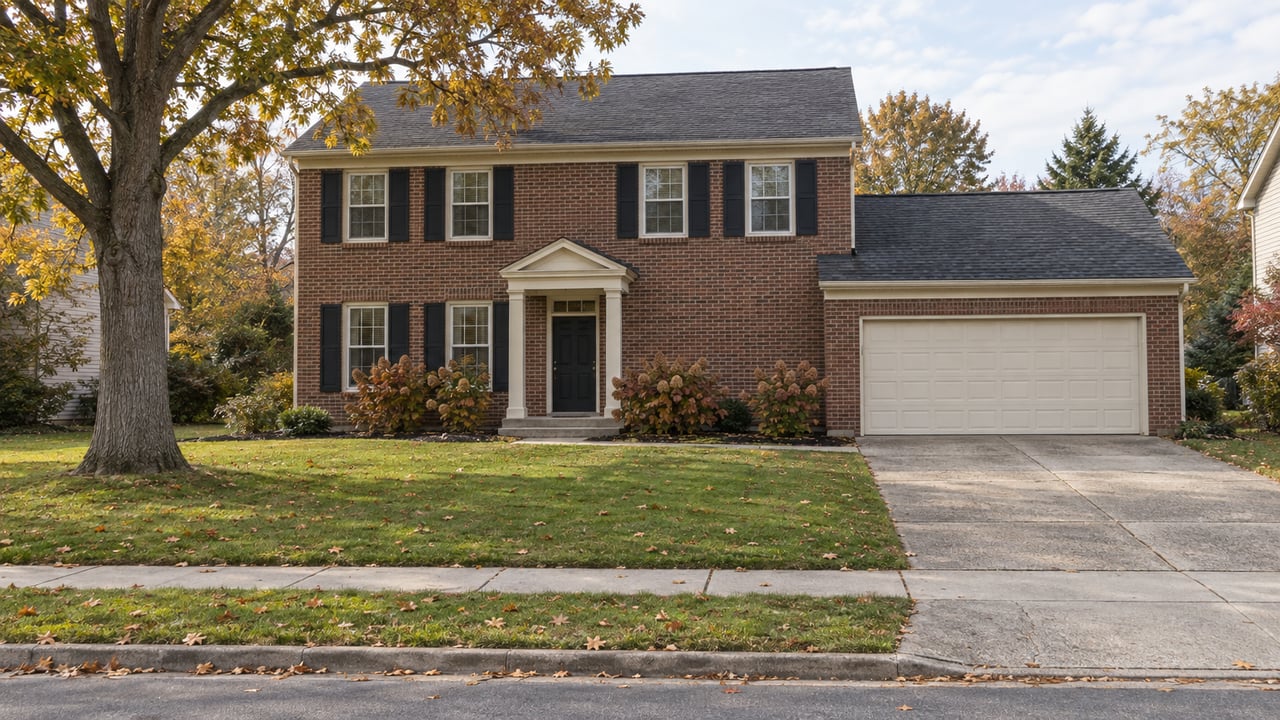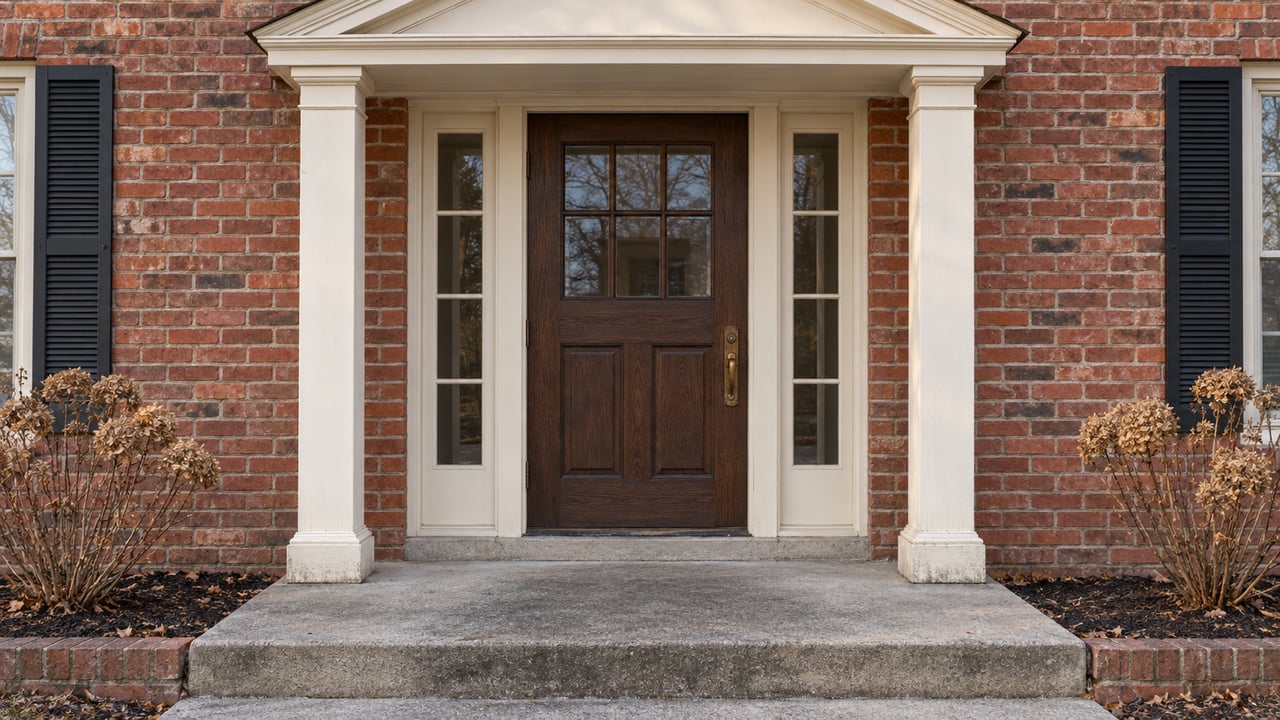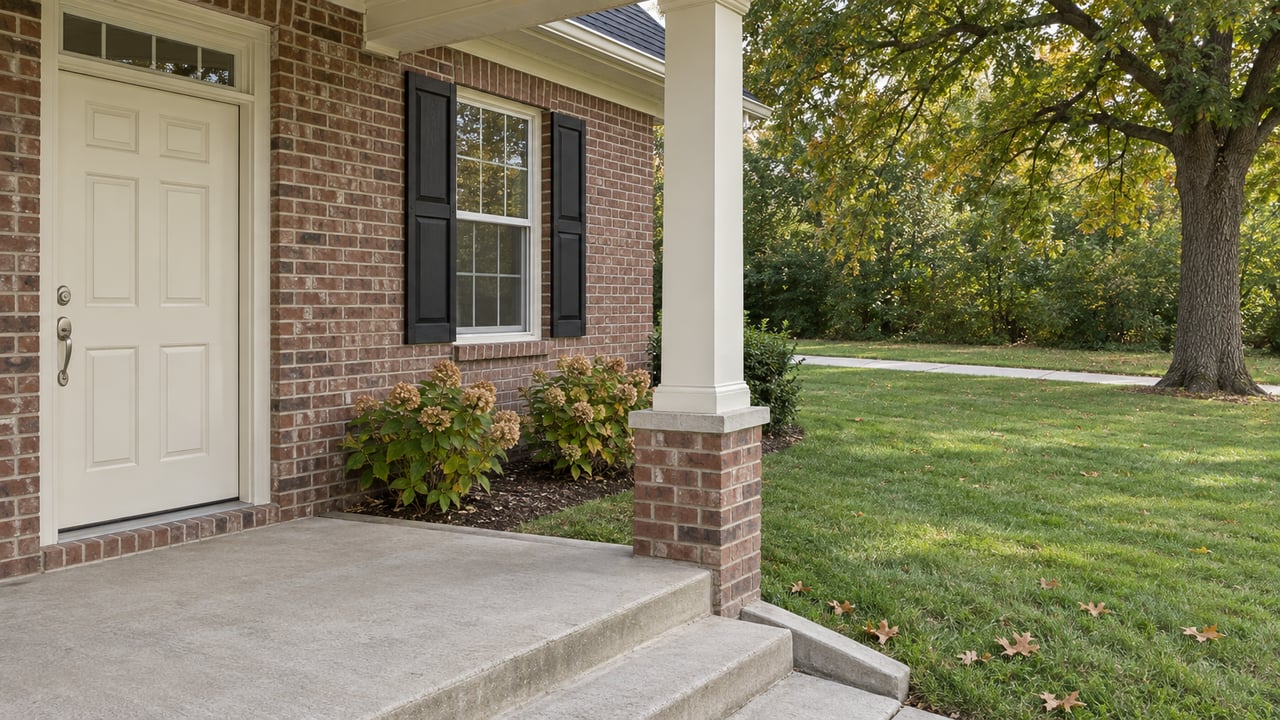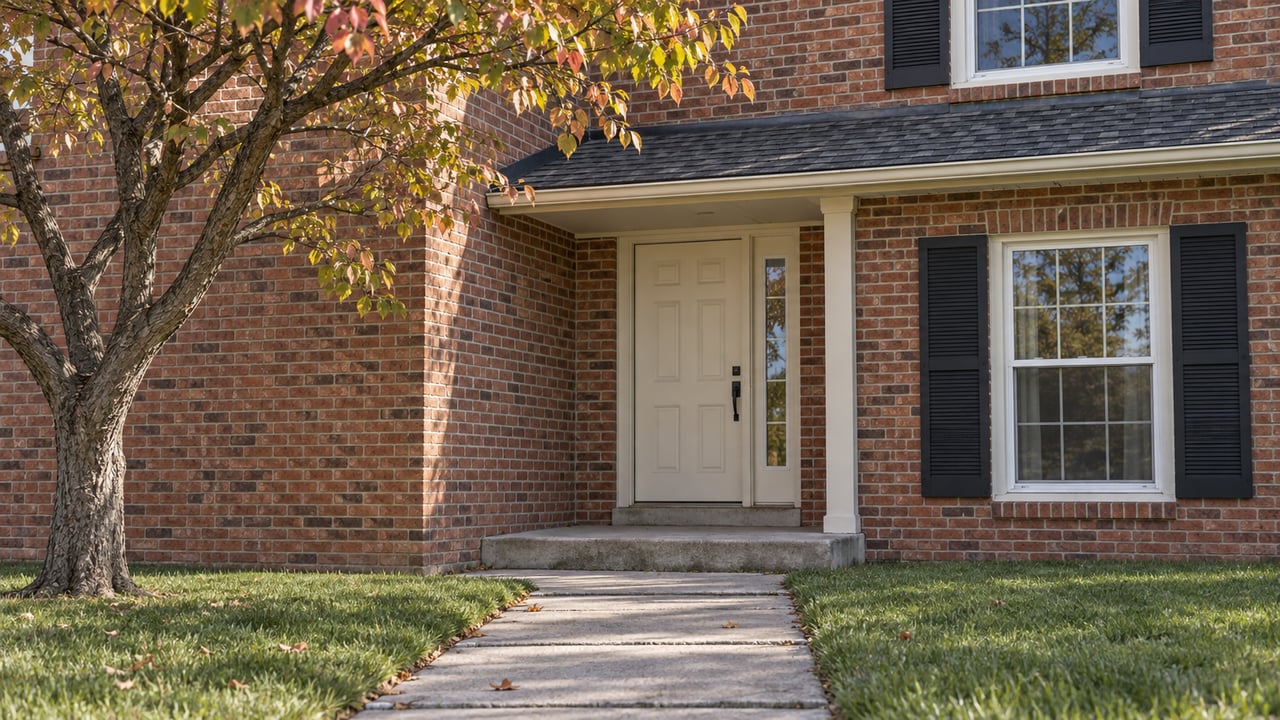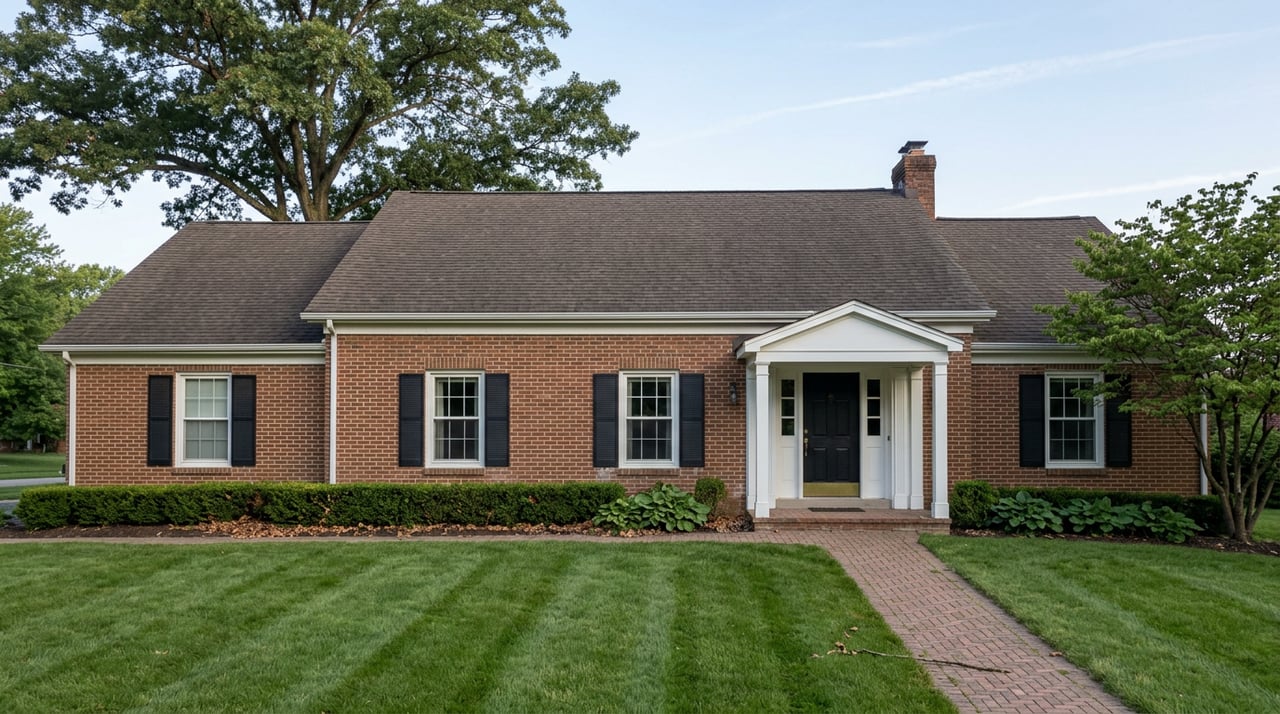
Eastborough looks like a Wichita neighborhood. It sits inside the city's boundaries, shares a ZIP code with the surrounding streets, and shows up on maps like any other pocket of brick colonials and mature oaks. It is not a Wichita neighborhood. It is its own city, with its own charter, its own police department, and its own building code, and that distinction matters the moment someone tries to add a porch, pour a new driveway, or push a addition toward the street.
Buyers and even longtime homeowners routinely assume that whatever Wichita's Metropolitan Area Building and Construction Department allows, Eastborough allows too. It doesn't. Eastborough wrote itself out of the state's standard zoning framework decades ago, and the rules it wrote instead are stricter, narrower in who administers them, and still actively enforced in 2026.
The City Opted Out of the State's Zoning Rulebook
Kansas cities generally operate under K.S.A. 12-741, the state statute that governs how municipalities zone and regulate land use. Eastborough doesn't. Using its home rule authority under Article 12, Section 5 of the Kansas Constitution, the city passed a Charter Ordinance specifically exempting itself from that statute and replacing it with its own zoning ordinance.
That single legislative choice is the reason Eastborough's building rules diverge from Wichita's in ways a buyer coming from a typical city subdivision wouldn't expect. The city defines its own setbacks, its own structure classifications, and its own enforcement penalties, independent of the county-wide zoning code that governs most of the metro. When someone tells you "Wichita allows a six-foot side yard here," that fact carries no weight once you cross into Eastborough. The city's own ordinance is the only one that applies.
The Setback Math That Shrinks Your Buildable Lot
Here's where that independence shows up in a way that affects real dollars and real square footage. Eastborough's zoning ordinance sets the minimum front yard setback at forty feet, unless a recorded deed already specifies a different building line. Accessory structures, meanwhile, are only permitted in the rear yard.
Compare that to Wichita's own standard. Board of Zoning Appeals records for the city's most common single-family districts, SF-5 and TF-3, put the front yard building setback at twenty-five feet.
That gap isn't trivia. On a typical Eastborough lot, the required front setback can be the difference between a covered porch that fits and one that doesn't, or between an addition that clears the line and one that needs a variance hearing before it can break ground. Anyone budgeting a renovation off a Wichita contractor's rule of thumb is budgeting off the wrong number.
| Front yard setback | Eastborough | Wichita (SF-5 / TF-3) |
|---|---|---|
| Minimum required | 40 feet (unless deed states otherwise) | 25 feet |
| Accessory structures | Rear yard only | Governed by separate citywide accessory standards |
Your Permit Doesn't Go to MABCD
The setback rule is only half the surprise. The other half is who reviews your plans.
In Wichita proper, building permits route through the Metropolitan Area Building and Construction Department. In Eastborough, they don't. The city's own driveway and curbing ordinance, still posted on its official site, lays out a process built entirely around two people: the City Clerk and a Building Supervisor appointed by the Mayor. An applicant goes to City Hall, files the permit, and pays a $200 document review and administration fee. The City Clerk calls the Building Supervisor, who picks up and reviews the plans, then either signs off or contacts the applicant to work through problems. Once approved, the signed permit goes back through the Clerk for issuance.
There's no multi-department portal, no online tracking system, no plan review queue shared with hundreds of other Wichita projects. It's a small city running a small process, which makes sense once you consider that Eastborough's entire population was 756 as of the 2020 census. The tradeoff is that the process only works if you know it exists. Skipping it isn't a paperwork slip. Building without a permit in Eastborough is a misdemeanor, punishable by a fine of not less than $100 and not more than $1,000, and the ordinance specifies that each day a violation continues counts as a separate offense.
For a seller whose home has an unpermitted driveway extension or an addition built without going through the Building Supervisor, that history can surface during due diligence and become a negotiating point at the table. For a buyer planning work the moment they close, it means the first call after closing should go to Eastborough City Hall to confirm the applicable process before arranging the work.
The Same Logic Runs Down to the Curb
Eastborough's appetite for writing its own rules doesn't stop at building lines. The city enforces its own sight-obstruction ordinance at street corners, prohibiting fences, hedges, or other obstructions within a vision triangle measured from the intersection of two streets. Enforcement runs through the city's own Chief of Police, who has the authority to issue written notice to a property owner and require removal of an obstruction within fifteen days, with an appeal option through a hearing before the City Council.
That same hyperlocal control shows up in how the streets themselves are built. Eastborough has no sidewalks, and the city has historically posted a lower speed limit, 20 miles per hour, than the 30 mile per hour limit on the same road once it crosses into Wichita. Eastborough police have said the lower limit reflects the number of residents who walk in the street.
None of this is a legacy quirk from a bygone incorporation. It is the same governing posture the city applies to setbacks and permits: Eastborough decides what happens on its own streets, at its own intersections, and on its own lots, and it doesn't default to whatever the surrounding city does.
A City Still Actively Making These Calls
It would be easy to assume a city this small runs on autopilot. The council's own recent business says otherwise. At its April 2026 meeting, the Eastborough City Council approved claims totaling $81,901.37 and authorized two specific purchases: playground mulch, not to exceed $2,700, and new acorn-style LED post-top lighting for the east and west monuments and tall fixtures at Triangle Park, not to exceed $15,000, under Mayor Stacy Moore with council members Steve Wagle and Richard Hostert moving the items. The council's next regular meeting was set for June 23, 2026.
That's a governing body actively spending on its own parks and infrastructure this year, not a dormant administrative shell. The same council that funds playground mulch is the one whose Building Supervisor signs off on your driveway permit and whose zoning ordinance sets your setback line.
What This Means If You're Buying, Selling, or Renovating
If you're touring homes in Eastborough with renovation plans already sketched out, measure your setback against the city's own forty-foot line before you fall in love with a floor plan that assumes twenty-five. If you're selling a home with any exterior work done in the last several years, it's worth confirming that work went through the City Clerk and Building Supervisor rather than being permitted, or skipped, under an assumption that Wichita's process applied. And if you're simply moving in, know that questions about fences, driveways, additions, or anything near a property line go to Eastborough City Hall first, not the county planning department.
None of this is legal advice, and specific setback or permit questions should always go to the city directly. But knowing that Eastborough runs its own rulebook, and knowing roughly where that rulebook diverges from Wichita's, is the kind of detail that keeps a renovation timeline or a listing disclosure conversation from going sideways.
FAQ
Does Eastborough's building code apply to interior renovations, or just exterior work? The ordinances available from the city specifically address exterior construction such as driveways, curbing, and structures subject to setback requirements. Interior remodeling questions should still be confirmed directly with Eastborough's Building Supervisor through City Hall, since the city's own process, not Wichita's, governs any permit that touches the exterior or footprint of the home.
Can the forty-foot front setback ever be different on my specific lot? Yes. The ordinance itself notes that where a recorded deed already specifies a building or setback line, that distance controls instead of the forty-foot default. Anyone planning an addition should check their deed and confirm the applicable line with the city before finalizing plans.
Is Eastborough's permit fee the same for every type of project? The $200 document review and administration fee is specified in the city's driveway and curbing ordinance. Other categories of exterior work may carry different requirements, which is another reason to confirm scope and fees with the Building Supervisor before starting any project.
Thinking about a move into or out of Eastborough, or planning renovations before you list? Pam & Ashley can walk you through what the city's permit process actually requires and how it affects your timeline. Book a free consultation and get the local details before you break ground.