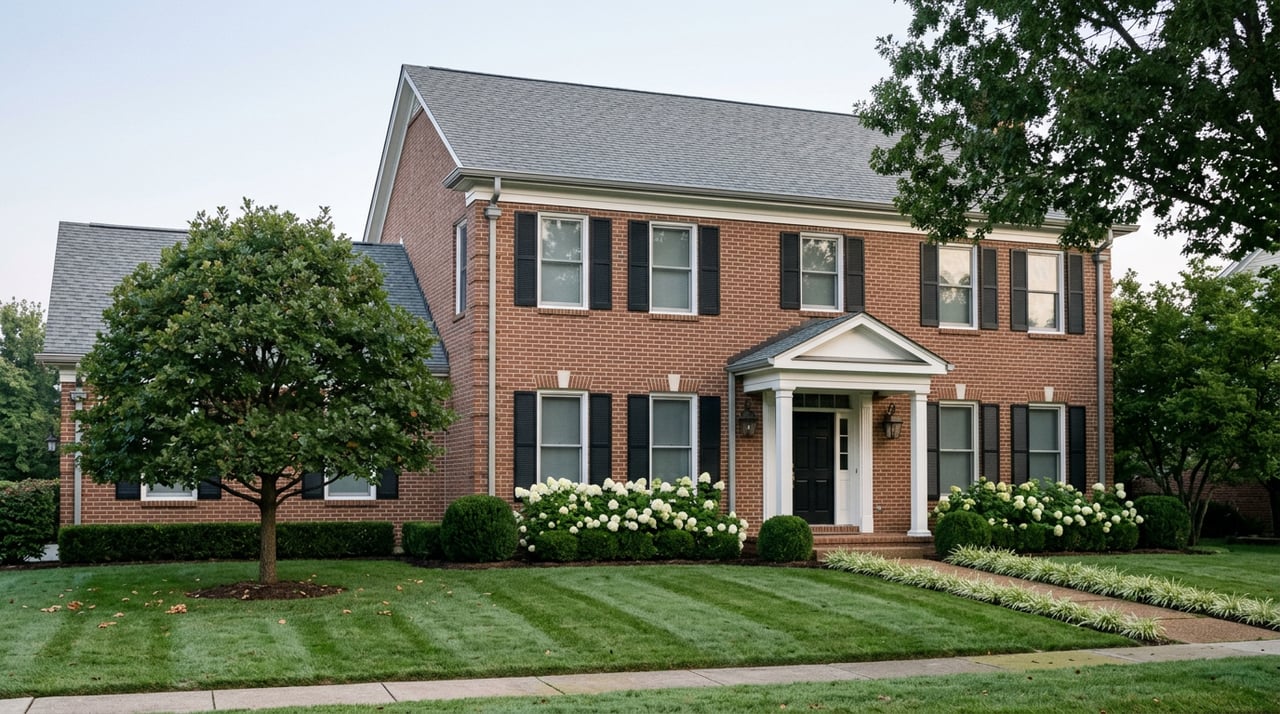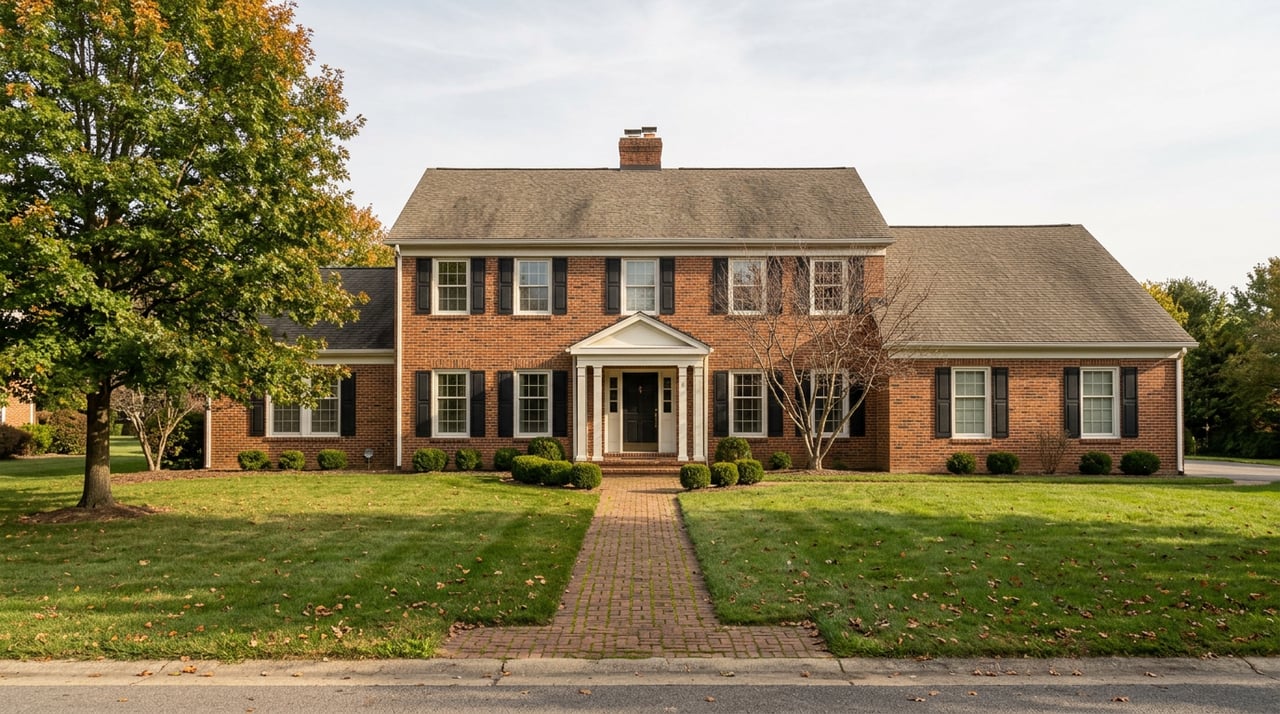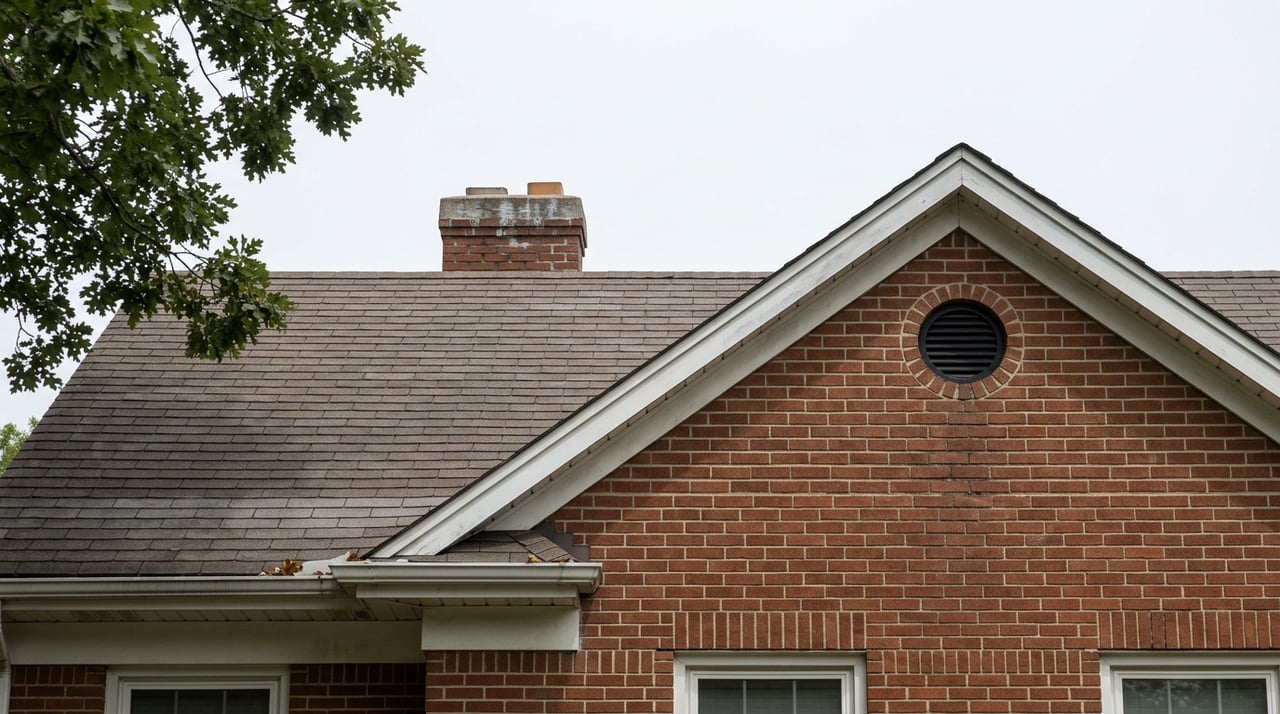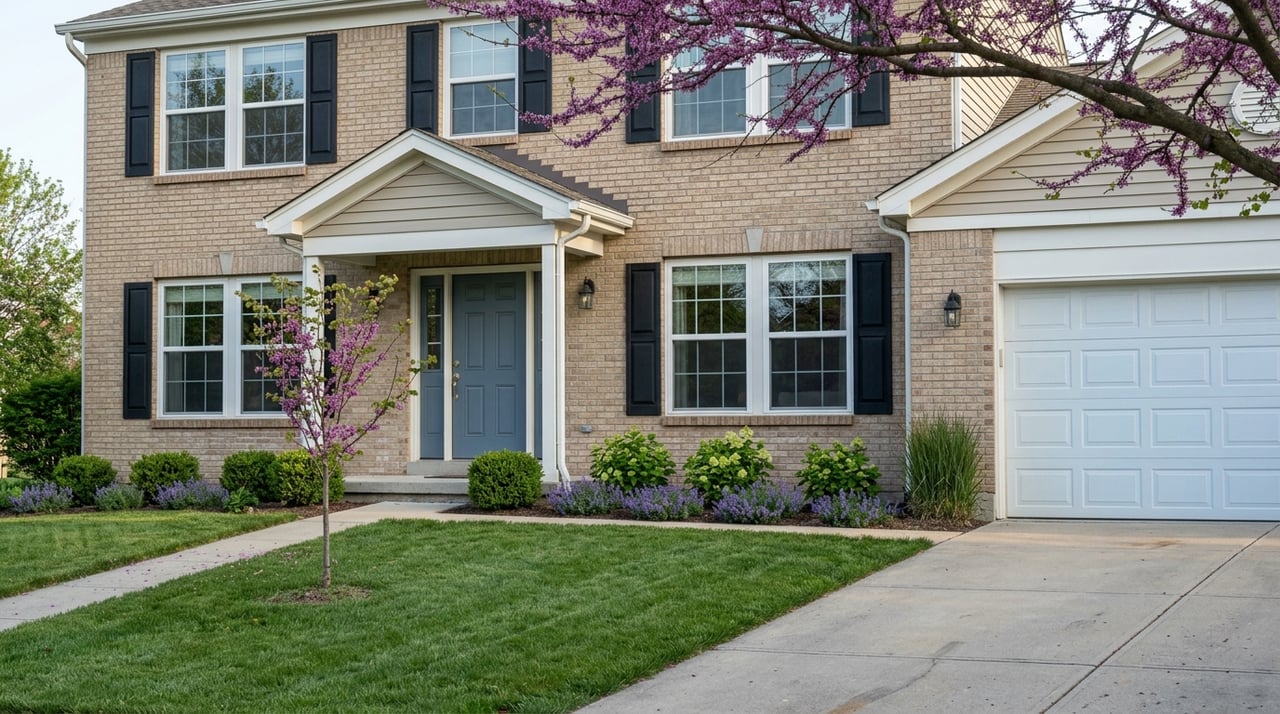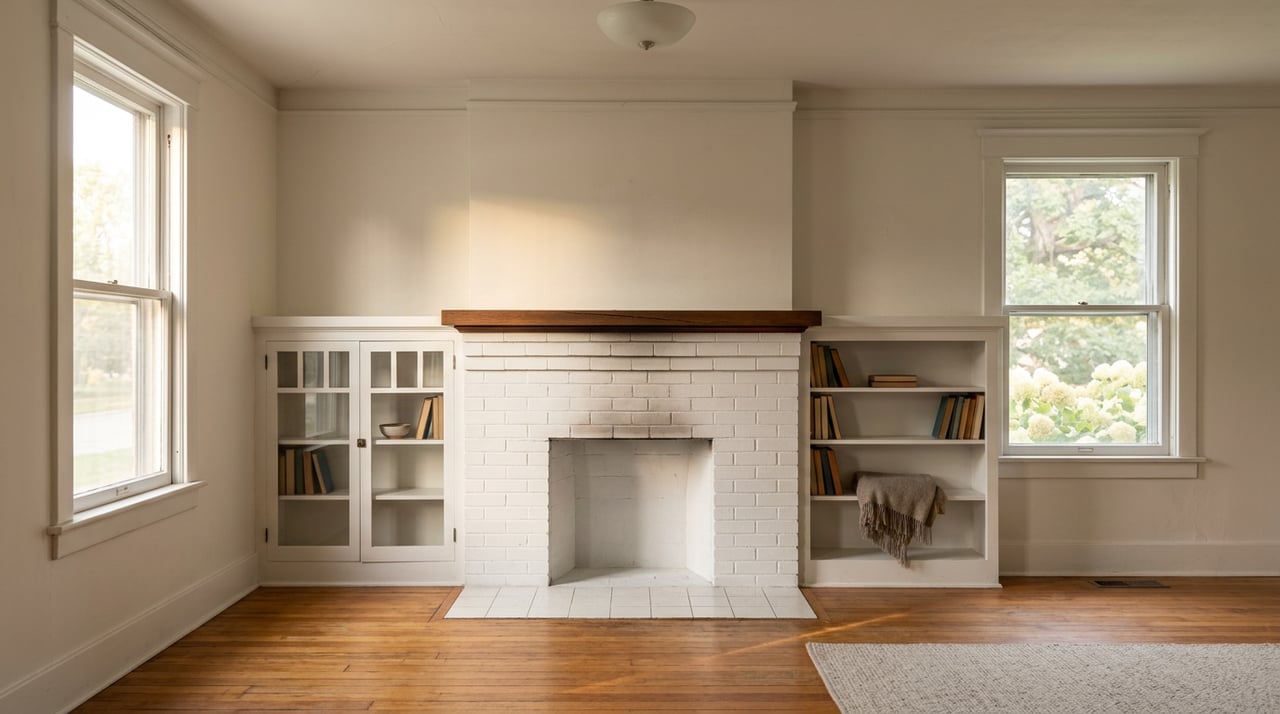
Ask around College Hill long enough and you'll hear a version of the same rule: you can't touch the outside of these houses without the city signing off first. It's a tidy story, and it's not quite how the neighborhood actually works. There isn't one blanket historic district binding every home in College Hill to the same review. What actually governs an exterior project here depends on how close a specific parcel sits to one of the neighborhood's individually listed landmarks, not on which side of Hillside or Kellogg you happen to live.
That distinction matters more than the paperwork most sellers worry about instead. Kansas doesn't even require a standard disclosure form by law, a fact that surprises people who assume the state hands them one the way California or Florida does. Between the two, the real friction in a College Hill transaction isn't where people expect to find it.
The Neighborhood Isn't One District, It's A Handful Of Listed Landmarks
College Hill has the reputation of a protected historic neighborhood, and in a loose sense it's earned it. But the city's own planning records tell a narrower story than the reputation suggests. A 2001 Wichita historic preservation plan listed College Hill only as a "potential district," alongside North Market Street and University Avenue in the Delano neighborhood, meaning it hadn't been formally designated the way Wichita's Old Town or Delano areas have. The city's current Historic Preservation Board page still points property owners to design guidelines for Old Town and the Delano Overlay by name. College Hill isn't on that list.
What does apply inside College Hill is narrower and easy to miss if you're only looking at a map. The neighborhood contains individually listed landmarks, including St. James Episcopal Church at the corner of East Douglas and North Yale, and the College Hill Park Bath House on South Circle Drive, both entered on the Wichita/Sedgwick County historic landmarks record. Wichita's Historic Preservation Board reviews proposed changes not just to a listed landmark itself but to its surrounding "environs," meaning a neighboring property's exterior project can trigger review even when that property was never individually designated.
So a house two lots from the church and a house four blocks away are not operating under the same set of rules, even though both are in College Hill. The only way to know which side of that line your property falls on is to check the parcel itself, not the neighborhood's reputation. The Wichita Historic Preservation Office can confirm status by phone or through the city's GIS historic sites layer before you assume anything either way.
What The Review Actually Requires When It Applies
Wichita's Historic Preservation Board was created by City Council ordinance in 1975 to oversee the city's historic landmarks and the alterations proposed to them. When a project does fall under its review, whether because the property is individually listed or because it sits close enough to affect a listed property's environs, a Certificate of Appropriateness is required before the Metropolitan Area Building and Construction Department will issue a building permit. City code splits these projects into two tracks, major and minor, based on scope. The Board meets on the second Monday of each month at 2:00 p.m. in the Planning Department Conference Room at the Ronald Reagan Building downtown, and its meetings are open to the public.
Even demolishing a property listed in the Register of Historic Kansas Places or the National Register requires following this same local process before a demolition permit is issued. That's a narrow scenario for most College Hill sellers, but it's worth knowing if a prospective buyer is eyeing a teardown near one of the neighborhood's landmarks.
The College Hill Neighborhood Association, whose members describe their work as preserving "the architectural heritage of College Hill," is a useful resource here too, since longtime residents often know which corners of the neighborhood have run into this review before.
| If your property is individually listed or within a landmark's environs | If it isn't | |
|---|---|---|
| Exterior work | Requires a Certificate of Appropriateness before MABCD issues a permit | Standard MABCD permitting applies, no COA step |
| Who reviews it | Wichita Historic Preservation Board, staff-level or full hearing depending on scope | City building staff only |
| Timeline risk | Bound to the Board's monthly meeting schedule for major projects | Runs on a normal contractor and permit timeline |
| How to check | Call the Historic Preservation Office or check the city's GIS historic sites layer | Same, to confirm you're actually clear |
The Disclosure Form Nobody Has To Sign
While that landmark-specific review is easy to underestimate, most sellers overestimate what the state disclosure process actually requires of them. Kansas law doesn't specifically require written property disclosures, and the state has never drafted language for a required form. The Kansas Seller's Property Condition Disclosure Statement that most agents use is customary, not compulsory.
What Kansas law does require is narrower. A seller's broker must disclose to a buyer all adverse material facts the broker actually knows about a property, under Kansas Stat. § 58-30.106. Separately, Kansas Stat. § 12-6a20 requires sellers to disclose whether a property carries a special assessment, along with an approximate amount owed. Beyond that statutory floor, a seller who skips the customary form or leaves sections blank hasn't broken Kansas law, though common law still exposes them to a fraud or misrepresentation claim if they knowingly concealed a defect a buyer couldn't reasonably discover on their own.
For a College Hill buyer, this changes what a signed disclosure statement is actually worth. It tells you what the seller says they know. Kansas doesn't require the seller to have had an inspection done before signing it, so the form is not a substitute for one, especially in a neighborhood where most houses were built decades before modern electrical and plumbing standards existed.
What A Century-Old House Still Turns Up
Most homes in College Hill were built between 1900 and 1934, during the neighborhood's run as one of Wichita's first streetcar suburbs before it grew into an early automobile suburb. That construction window puts the housing stock squarely in the era when knob-and-tube wiring was standard, and inspectors who work older homes describe finding some trace of it in nearly every house built before 1940. The wiring itself is often not the safety problem. It's what later owners did to it: unauthorized splices, ungrounded outlets added for modern appliances, insulation packed around wire that was designed to dissipate heat in open air.
This matters at the negotiating table, not just as trivia. Homeowner insurance carriers in many markets will surcharge a policy or decline to write one on a home with active, unmitigated knob-and-tube wiring, and that can surface during underwriting well after an inspection report has already shaped the deal. Getting a straightforward electrical evaluation done before listing gives a seller room to address it on their own schedule instead of the buyer's.
The Market You're Actually Selling Into
Widen the lens to the city and the picture is a fast one. Wichita's median sale price ran $244,000 over the three months ending May 2026, up 4.3% year over year, with homes selling in a median of 20 days according to Redfin's tracking. A separate snapshot from August 2026 put the citywide median list price at $285,000 with a 44-day median time on market. The two figures aren't contradicting each other so much as measuring different things, list price against sale price, with different methods for counting days on market. The practical takeaway for a College Hill seller doesn't require reconciling the methodology: this isn't a market that rewards waiting, and a project that needs a Certificate of Appropriateness runs on the Board's monthly calendar, not the market's weekly one.
The neighborhood is also mid-conversation about its own future. Wichita's Planning Department presented a draft College Hill Neighborhood Plan to the area's District Advisory Board and to the College Hill Neighborhood Association in June 2025, and the advisory board voted unanimously to recommend it for adoption into the city's Comprehensive Plan. That plan addresses land use and neighborhood character broadly, a separate track from landmark-specific historic review, but it's one more reason to have someone tracking city process on your side rather than assuming this year's rules will look the same as last year's.
FAQ
Do I have to fill out a Kansas disclosure form to sell my College Hill home? No. Kansas law doesn't require a written disclosure form. Most sellers use the customary form anyway because it helps limit exposure to fraud claims later, but the actual legal requirement is narrower: your broker must disclose known adverse material facts, and you must disclose any special assessment on the property.
Is my house automatically restricted because it's in College Hill? Not necessarily. College Hill isn't a single formally designated historic district the way Wichita's Old Town or Delano areas are. Review through the city's Historic Preservation Board applies to individually listed landmarks and to properties close enough to affect their environs. Checking your specific parcel with the Historic Preservation Office is the only reliable way to know.
Will knob-and-tube wiring kill my sale? Not usually, but it can complicate insurance underwriting after an inspection has already shaped the negotiation. An electrical evaluation before you list gives you time to handle it on your own terms.
Selling or buying in College Hill means dealing with a landmark map that doesn't match the neighborhood's boundary lines, a disclosure process that's more custom than law, and a hundred-year-old housing stock with its own patterns. Pam & Ashley can help you check what your specific property actually requires before it goes on the market. Book a free consultation and let's map out the real sequence for your address.