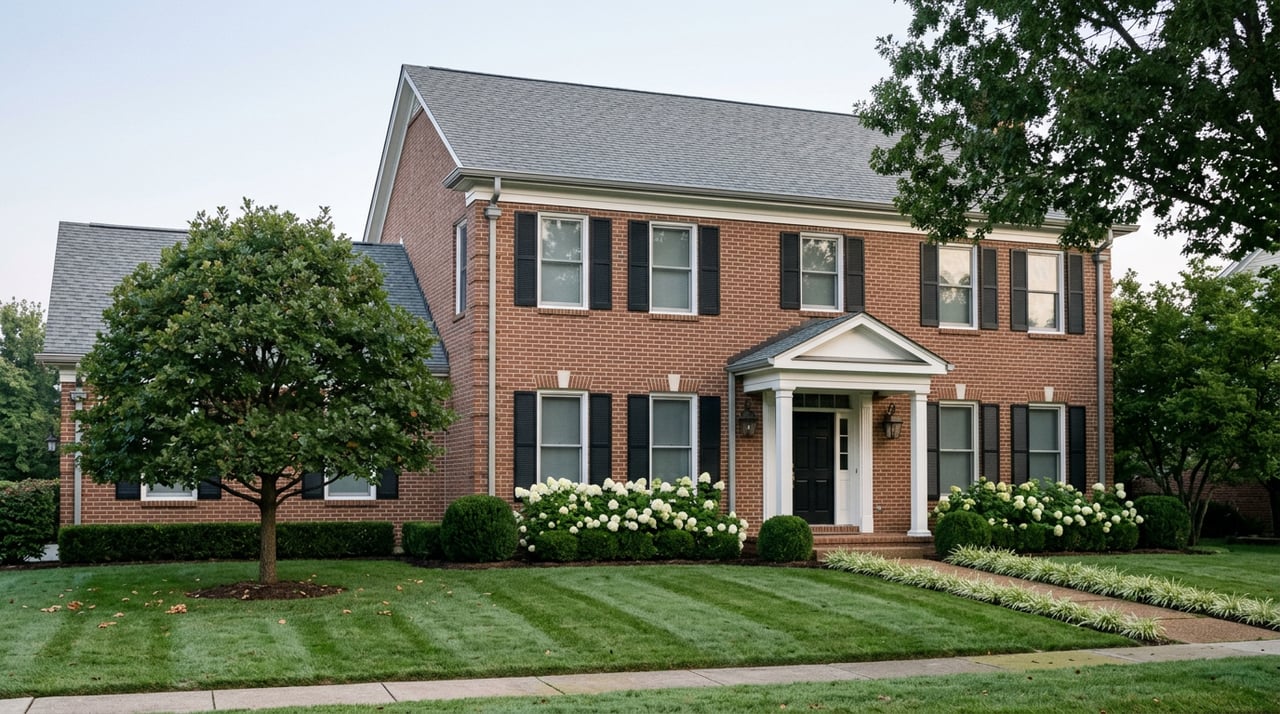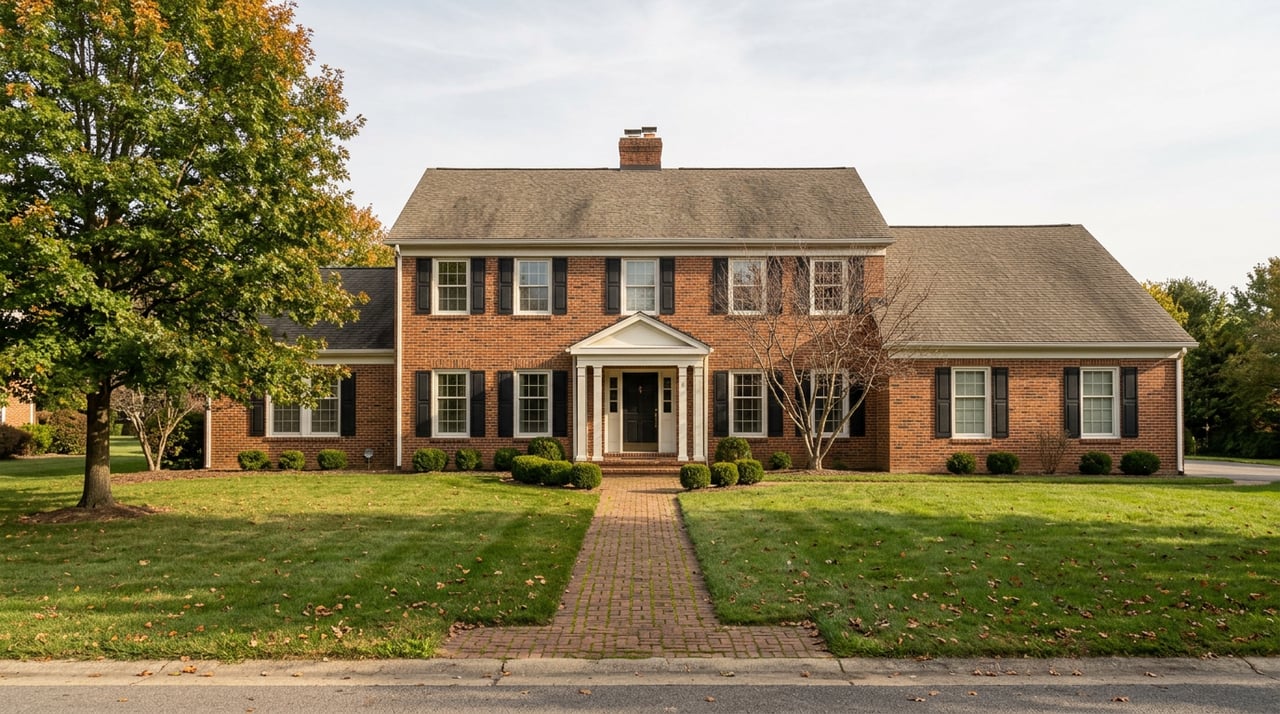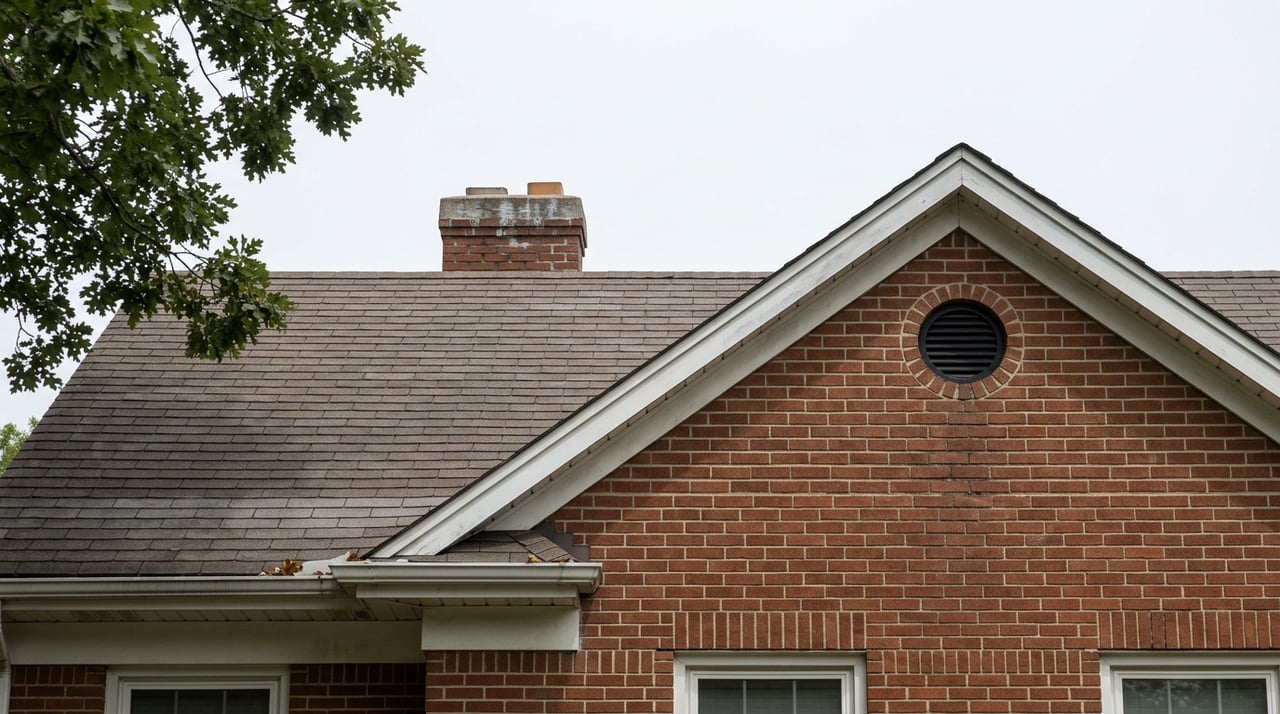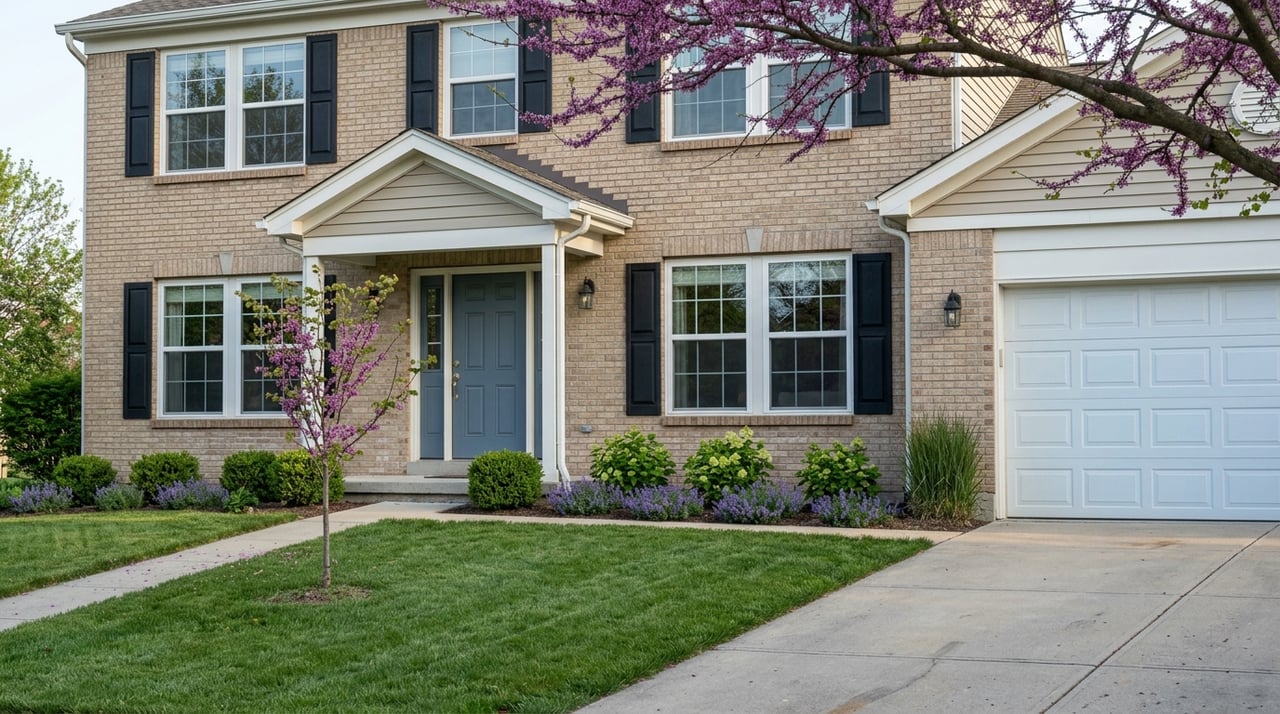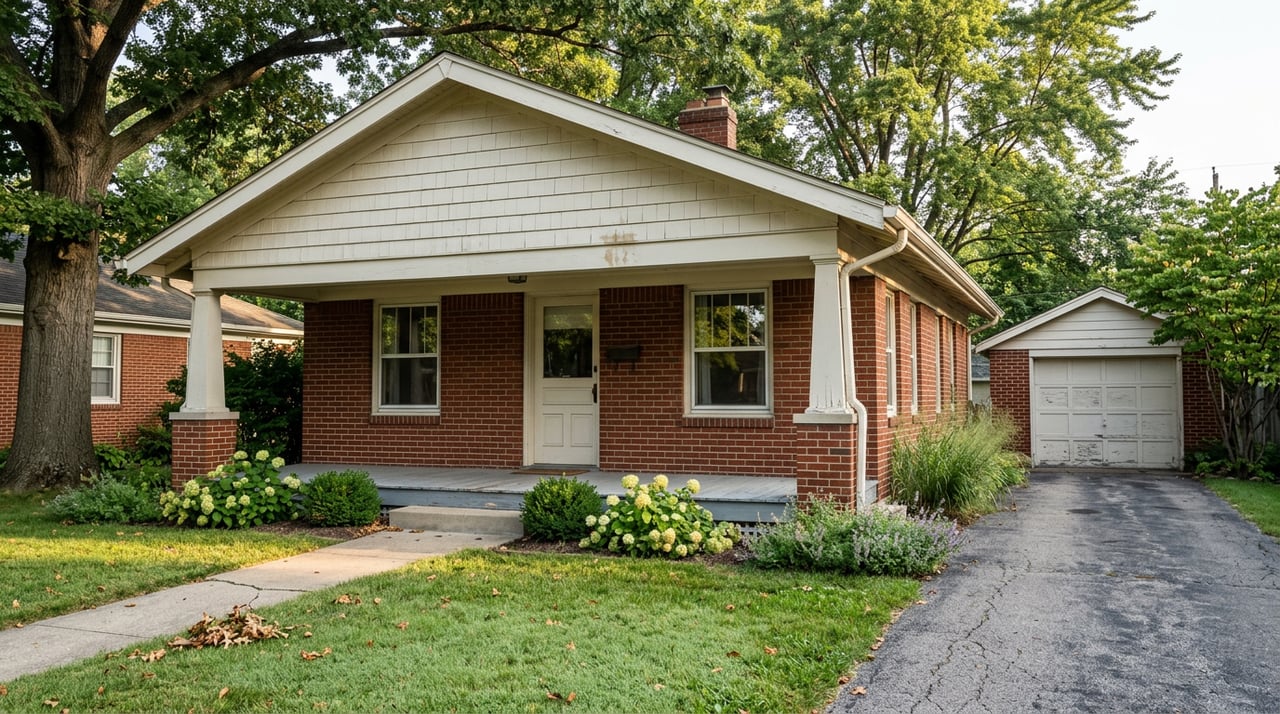
Drive two blocks on North Clifton and you'll pass a four-bedroom Craftsman bungalow with a detached one-car garage, freshly listed in the low $300,000s. Turn onto a street closer to the park and you'll find a five-bedroom Revival-style estate on a near-acre lot, asking north of $800,000. Both sales, whenever they close, will count toward the same "median price for College Hill" that shows up on every portal search. That single number is doing a lot of work to describe two very different transactions, and it's worth understanding what it's actually averaging together before you decide whether this neighborhood fits your budget.
The number and what it's hiding
As of March 2026, the reported median sale price for College Hill sat at $323,500, down 1.1 percent from a year earlier. A separate twelve-month tally put the figure at $324,000, essentially flat against the prior year. Two sources, one narrow range, both landing within about $25,000 of each other. That part isn't in dispute.
What the median doesn't tell you is where the actual transactions cluster. College Hill's housing stock splits into two distinct tiers, and they don't blend into a smooth curve the way a typical suburban median implies.
The entry tier is built around four-bedroom Tudor cottages and Craftsman-style bungalows, most with detached one-car garages, starting around $300,000. The upper tier is the neighborhood's namesake stock: five-to-seven-bedroom Revival-style homes, some on acre lots, running $500,000 to $1 million. There isn't much documented middle ground between those two clusters. That's the part a portal search doesn't surface, and it changes how you should read the median.
If the reported median sits within $25,000 of where the entry tier begins, that tells you something specific: most of the transaction volume is happening near the bottom of the range, not the middle of it. The larger estates pull the neighborhood's reputation and its price ceiling upward, but they aren't dictating what a typical closing looks like. A shopper anchoring on "$324,000" and expecting a mid-size, moderately updated three-bedroom is going to be surprised by what's actually available at that price point, because $324,000 in College Hill buys you the entry tier, not the middle of a bell curve.
| What's actually for sale | Typical size | Price range | What it signals |
|---|---|---|---|
| Craftsman bungalow / Tudor cottage | 3-4 bedrooms, detached one-car garage | Starting around $300,000 | The volume tier. Most sales cluster here. |
| Revival-style estate | 5-7 bedrooms, some on acre lots | $500,000 to $1,000,000 | The tail. Fewer sales, wider price swings. |
Why the split exists
College Hill wasn't platted as a uniform subdivision built out on one timeline. The land was originally set aside as Wichita State University's first campus site before developers instead carved it into a residential neighborhood during the city's late 19th-century housing boom. That history matters for buyers today because it means lot sizes and home scales were never standardized. Some parcels went to modest cottages for working families. Others went to statement estates for the city's turn-of-century elite, thirteen of which now carry National Register of Historic Places status. You end up with a bungalow and a mansion sharing a zip code, sometimes sharing a block, because they were never meant to be the same product.
The part that actually contradicts the reputation
Here's the finding that should change how you think about buying in College Hill: homes here don't sit on the market longer because they're old. They sell faster.
As of late April 2026, Redfin listed eight vintage homes for sale in the neighborhood at a median asking price of $369,000, with a typical time on market of just 18 days. Compare that to Wichita's citywide vintage-home pool, where listings were taking a median of 72 days to sell as of early February 2026. Separately, neighborhood-level data puts College Hill's overall days-on-market figure at 36, against a 53-day national average.
That's a real inversion of the assumption most buyers carry into an older neighborhood. The conventional story is that century-old homes need a specialized buyer, someone comfortable with knob-and-tube wiring, plaster repair, or a smaller closet than a 2010 build offers, and that specialized demand means longer marketing times. In College Hill, the opposite is happening. The neighborhood's historic stock is moving three to four times faster than Wichita's broader vintage-home market and comfortably faster than the national pace.
For context on the market these numbers sit inside, Wichita's citywide median listing price was $285,000 in August 2026, up 3 percent year over year, with typical days on market running 44. College Hill is pricier than the city average and still turning over faster. That combination is unusual enough to be worth a buyer's attention.
Why the speed makes sense once you factor in the neighborhood itself
The blended 18-to-36-day range likely isn't uniform across both tiers. A scarce entry-level bungalow under $350,000 in a walkable, amenity-dense neighborhood is going to draw competing offers fast, because that price point sits right where demand from move-up buyers and first-time buyers overlaps. The upper tier, with fewer total sales and a wider price ceiling, probably moves at a different pace, though the neighborhood doesn't publish that split separately. What's not in question is why either tier holds buyer attention once it's listed.
College Hill residents can walk to a working commercial strip along East Douglas Avenue rather than drive to one. Livingston's covers breakfast, Watermark Books & Café serves a literary-themed lunch, Dempsey's is known for its Kobe beef burgers, and The Belmont handles the upscale end of the evening. Clifton Square adds another retail cluster within walking distance for residents on the western side of the neighborhood. College Hill Park itself covers 22 acres with winding paths, tennis courts, a playground, and a public pool, giving the neighborhood a shared green space that most subdivisions built after 1960 simply don't have room for. The Crown Uptown Theatre hosts jazz concerts, and Wichita Community Theater rounds out the live entertainment options a few minutes away. A free Q-Line bus stop sits roughly every other block along East Douglas, connecting residents to Old Town and the Delano District without needing a car.
None of that shows up in a median price. All of it shows up in how fast a listing gets an offer.
What this means depending on your budget
If you're shopping near the reported median, expect to be looking at the entry tier: Tudor cottages and Craftsman bungalows, most with a detached one-car garage rather than an attached two-car. Because that tier appears to be where competition is tightest, having financing and a pre-approval letter ready before you tour matters more here than in a slower-moving market.
If your budget stretches into the $500,000-to-$1-million range, you're shopping a much thinner slice of inventory: the Revival-style estates on larger lots that carry the neighborhood's historic reputation. Fewer of these change hands in a given year, so timing and patience matter differently than they do at the entry tier.
Either way, the single median price you saw on a search result was never going to tell you which market you were actually stepping into. Now you know which one to ask about.
FAQ
Does a College Hill listing under $300,000 mean something is wrong with the house? Not necessarily. The entry tier starts around $300,000 for updated Tudor cottages and Craftsman bungalows, so a listing near that number is consistent with the neighborhood's normal range rather than a red flag on its own. Any specific condition question should be answered by an inspection, not by price alone.
Why do older homes in College Hill sell faster than newer construction elsewhere in Wichita? The data doesn't fully explain the mechanism, but walkability to East Douglas Avenue, proximity to College Hill Park, and a genuinely scarce supply of entry-tier homes at any given moment are the most likely contributors. The pattern holds across multiple data points even if the exact cause isn't spelled out in any one source.
Should I expect the same fast timeline whether I'm looking at a $320,000 bungalow or an $800,000 estate? Probably not. The published days-on-market figures blend both tiers together. The entry tier likely moves faster given how much buyer overlap exists at that price point, while the upper tier, with fewer total sales, may move at its own pace.
If you're weighing a College Hill budget against what it actually buys, or trying to figure out which tier you should be touring first, Pam & Ashley can walk you through current inventory and help you read a listing the way a local buyer should. Book a free consultation and let's figure out which College Hill market you're really shopping.